logo
HomeProducts
Brass Bar
Brass Bar dealers in UAE

Brass Bar

Looking for any kind of help ?

Brass Bar | Brass Round, Hex & Square Bars Supplier in UAE – Nifty Alloys LLC


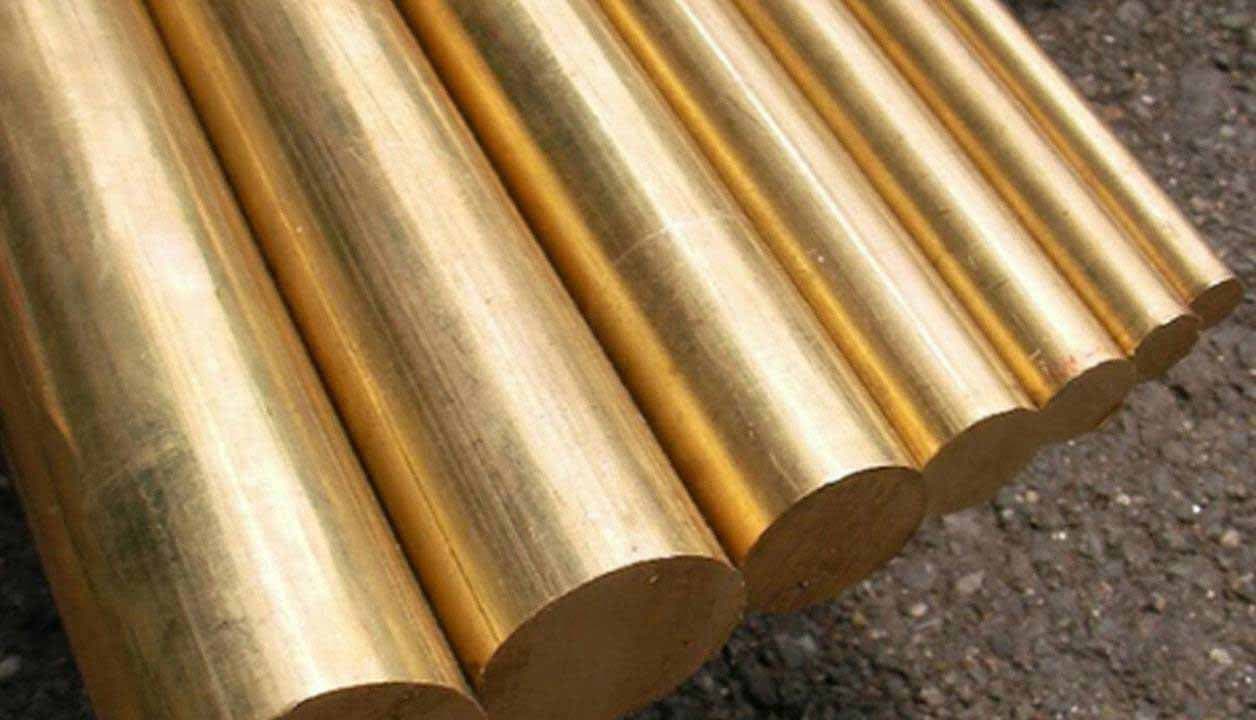
Brass bar stands as a cornerstone material in modern manufacturing and engineering, prized for its exceptional combination of machinability, corrosion resistance, and electrical conductivity. As a copper and zinc alloy, it offers a unique set of properties that make it indispensable for creating precision components across a wide range of demanding industries. From intricate electrical connectors to durable marine hardware, the reliability of a brass bar directly impacts the performance and longevity of the final product. For engineers, industrial buyers, and manufacturers, sourcing high-quality brass alloy bars is not merely a procurement task; it is a critical decision that ensures operational integrity and product excellence. 

You require materials that meet stringent specifications and deliver consistent performance under pressure. A brass bar provides the solution, offering superior workability that reduces machining time and tool wear, thereby optimizing your production costs. Its inherent resistance to corrosion makes it a reliable choice for applications exposed to moisture and various atmospheric conditions. As a leading brass bar supplier in UAE, Nifty Alloys LLC provides a comprehensive inventory of brass bars in various grades and forms, ensuring you receive certified materials that meet your exact project requirements. We are your trusted brass bar stockist, committed to delivering quality and precision for your most critical applications. 


Understanding Brass Bar: Composition and Core Advantages 


A brass bar is a solid, extruded metal profile produced from an alloy primarily composed of copper (Cu) and zinc (Zn). The ratio of these two elements is precisely controlled to produce different grades of brass, each with distinct mechanical and physical properties. The addition of small quantities of other elements, such as lead (Pb), can further enhance specific characteristics. For instance, lead is often added to improve machinability, resulting in what is known as free-machining brass. 

Industries prefer industrial brass bar for several key reasons. Its machinability is arguably its most celebrated feature. When you machine brass, it produces fine, manageable chips that are easily cleared, allowing for high-speed, high-precision operations. This characteristic enables the efficient production of complex parts with tight tolerances, from threaded fasteners to sophisticated valve bodies. Furthermore, the material's excellent corrosion resistance ensures that components maintain their structural integrity and appearance over time, even in moderately corrosive environments. This durability, combined with its attractive golden finish, makes brass rod and bar a preferred material for both functional and decorative applications. Nifty Alloys LLC is a premier brass bar supplier dedicated to providing these high-performance materials to industries throughout the UAE and beyond. 


Key Features and Advantages of Using Brass Bar 


The widespread adoption of brass alloy bars in critical industrial sectors is no accident. This versatile material offers a powerful combination of features that directly translate into tangible benefits for manufacturers, engineers, and end-users. When you choose a brass bar for your components, you are selecting a material engineered for performance, reliability, and manufacturing efficiency. 

1. Excellent Machinability 

The standout advantage of free-cutting brass (like CZ121 and C36000) is its exceptional machinability. The lead particles embedded within the brass matrix act as microscopic chip breakers, causing the swarf to break into small, manageable pieces. This prevents long, tangled chips from wrapping around the tool or workpiece, a common problem when machining other metals like steel or aluminum. 

Benefits for your operations: 

  • Increased Production Speed: You can run machines at higher speeds and feeds, significantly reducing cycle times. 
  • Extended Tool Life: The lubricating effect of the lead and the brittle nature of the chips reduce friction and heat, leading to less tool wear. 
  • Superior Surface Finish: The material cuts cleanly, enabling you to achieve smooth, precise surface finishes directly from the machine, often eliminating the need for secondary finishing operations. 
  • Reduced Costs: Faster cycle times, longer tool life, and less scrap contribute to lower overall production costs per part. 

2. High Corrosion Resistance 

Brass exhibits excellent resistance to corrosion from a wide variety of sources, including water, neutral and alkaline salt solutions, and organic compounds. This durability stems from the inherent nobility of its primary constituent, copper. While it can tarnish upon exposure to the atmosphere (forming a protective patina), it does not rust like iron-based alloys. 

Benefits for your applications: 

  • Longevity in Wet Environments: It is an ideal choice for plumbing fittings, valves, and components used in freshwater systems. 
  • Reliability in Marine Applications: Specific grades like Naval Brass (C46400) are formulated to resist dezincification, making them suitable for marine hardware and fittings exposed to saltwater. 
  • Stable Performance: Components made from brass rod maintain their structural integrity and functionality over long service periods, reducing maintenance and replacement costs. 

3. Attractive Aesthetic and Finish 

A polished brass bar has a bright, gold-like appearance that is highly sought after for decorative and architectural applications. This aesthetic quality provides a premium look without the high cost of precious metals. Even when left to tarnish naturally, it develops an antique patina that is often considered desirable. 

Benefits for your products: 

  • High-End Appearance: Adds a touch of elegance and quality to consumer products, architectural hardware, and musical instruments. 
  • Versatile Finishing Options: Brass can be easily polished, brushed, lacquered, or plated to achieve a wide range of visual effects. 
  • Functional and Decorative: You can design components that are both structurally sound and visually appealing, such as handrails, light fixtures, and decorative trim. 

4. Good Thermal and Electrical Conductivity 

As a copper-based alloy, brass is an excellent conductor of both heat and electricity. While its conductivity is not as high as that of pure copper, it is substantially better than that of steels and most other common alloys. This property, combined with its mechanical strength and machinability, makes it a superior choice for many electromechanical components. 

Benefits for your designs: 

  • Efficient Electrical Components: Ideal for manufacturing electrical terminals, connectors, pins, sockets, and switchgear parts where low electrical resistance is crucial for performance and safety. 
  • Effective Heat Dissipation: Its ability to conduct heat makes it suitable for use in heat exchanger tubes, radiator components, and casings for electronic devices that need to dissipate heat efficiently. 
  • Reliable Performance: Ensures stable electrical connections and prevents overheating in critical components. 
  • 5. Suitability for Joining and Forming 
  • A brass bar is a highly versatile material when it comes to assembly and fabrication. It can be joined using a variety of common industrial techniques. 
  • Benefits for your fabrication processes: 
  • Excellent for Soldering and Brazing: The material's properties allow for strong, reliable joints to be created through soldering and brazing, which are lower-temperature processes than welding. This is particularly useful for assembling complex plumbing and electrical systems. 
  • Good Hot Forging and Cold Forming: Certain grades of brass can be easily hot-forged into complex shapes or cold-formed through processes like bending, stamping, and drawing. This provides flexibility in manufacturing methods. 
  • Easy to Plate: Brass provides an excellent substrate for electroplating with other metals like nickel, chrome, or silver to enhance surface properties like wear resistance, hardness, or final appearance. 

By leveraging these key features, you can design and manufacture components that are not only cost-effective to produce but also robust, reliable, and aesthetically pleasing. As a premier brass bar stockist, Nifty Alloys LLC provides access to a full range of brass products that embody these advantages. 

Specifications

Brass Bar Mechanical Properties

Brass Bar Equivalent Standards

Applications of Brass Bar

Available Forms, Sizes, and Customization

Physical and Thermal Properties

Mechanical Properties of Brass Bar

Chemical Composition of Brass Bar (CZ121 / C36000)

Comparison of Common Brass Bar Grades

Brass Bar Grades and Specifications

Blogs
Our blogs cover a wide range of topics related to the metal industry, including the latest trends
Tools
Our iron weight calculator tool helps you quickly determine the weight of iron based on its volume.
Contact Us
Keep control of your business and boost the performance of your legal department.
GET IN TOUCH

Elevate Your Projects
with
Our Superior Steels

Looking for a reliable brass bar supplier in UAE? Nifty Alloys LLC stocks a wide range of brass round, square, hex, and flat bars that meet ASTM, BS, and EN standards. We offer custom lengths, machining services, and prompt delivery across the UAE and GCC region. Whether you need free-machining brass for precision turning or naval brass for marine components, we have the right grade for you.
Contact Nifty Alloys LLC today to request a quote or technical datasheet for your application.

F.A.Q
What is a brass bar used for?
What is the difference between brass and bronze bars?
Is brass bar suitable for marine applications?
What sizes are available in brass bars?
How can I order brass bars from Nifty Alloys LLC?
What is free-machining brass?
Do you provide material test certificates?
Can you cut brass bars to specific lengths?
What is the main advantage of using a brass hex bar?
More Questions