

Low Carbon Steel Grades & Properties: Complete Guide (2026)
This guide provides a comprehensive overview of low carbon steel. We will examine its fundamental properties, common grades, and key advantages that make it a cornerstone of modern construction and manufacturing. We will also address its limitations and provide a clear framework for selecting the appropriate grade for your specific application. This information is designed to empower you with the technical knowledge required to make informed procurement decisions, ensuring your projects are built on a foundation of reliability and performance. At Nifty Alloys, we are committed to supplying materials that meet rigorous standards, and this guide serves as a resource for your material selection process.
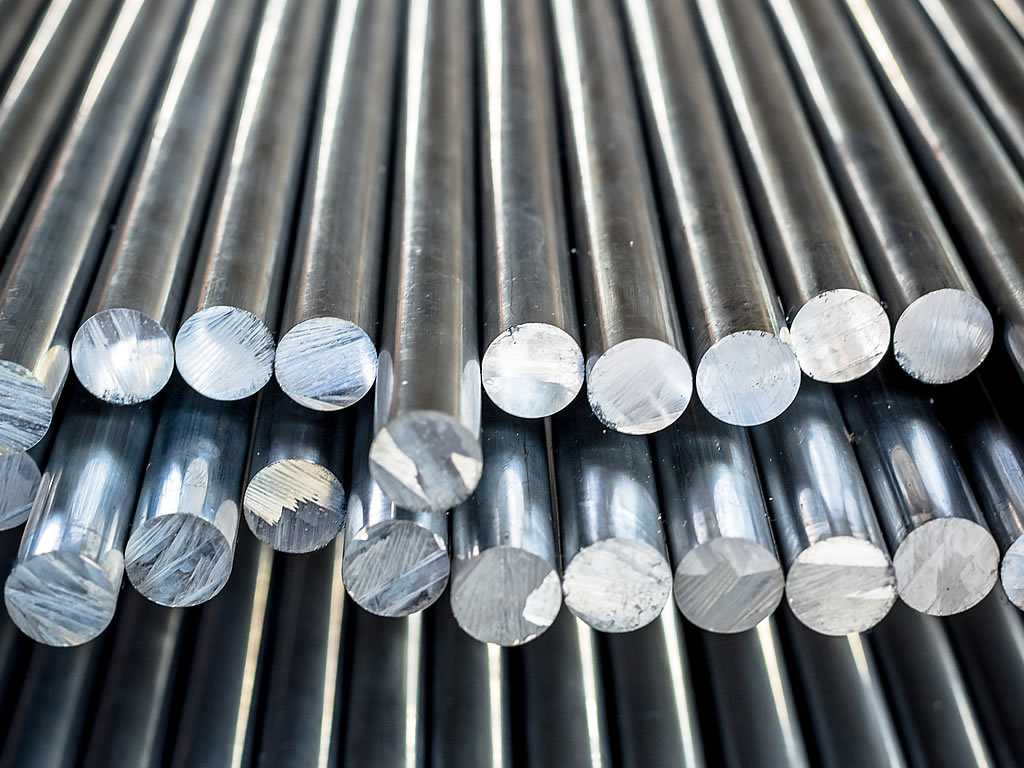
What Is Low Carbon Steel?
Low carbon steel is a type of carbon steel characterized by a relatively low carbon content, typically ranging from 0.04% to 0.30% by weight. This specific composition is the primary determinant of its mechanical properties. The reduced amount of carbon, a hardening agent in steel, results in a material that is softer, more ductile, and less brittle compared to its medium and high carbon counterparts.
This inherent ductility is a significant advantage, allowing the steel to be easily formed, bent, and machined without fracturing. Furthermore, the low carbon content directly contributes to its exceptional weldability. During welding, the material is less susceptible to forming hard, brittle microstructures in the heat-affected zone, which simplifies the welding process and ensures strong, reliable joints. These characteristics make mild steel plates and other forms a highly practical and economical choice for a vast array of fabrication projects.
Key Properties of Low Carbon Steel
The performance of low carbon steel in any application is dictated by its mechanical and chemical properties. A clear understanding of these attributes is essential for engineers and project managers to ensure the material meets design specifications. The following table summarizes the key properties that define mild steel.
Property | Typical Value/Description | Impact on Application |
| Carbon Content | 0.04% – 0.30% | Defines the material's fundamental nature, ensuring high ductility and weldability while maintaining adequate strength for most structural uses. |
| Tensile Strength | 400 – 550 MPa | Provides sufficient strength for structural applications like beams, frames, and plates without being overly brittle. |
| Yield Strength | 250 – 450 MPa | Indicates the point at which the steel will begin to deform permanently. This range is suitable for load-bearing applications where some flex is acceptable. |
| Ductility | High (approx. 25% elongation) | Allows the material to be easily cold-formed, pressed, and bent into complex shapes without cracking, making it ideal for fabrication. |
| Weldability | Excellent | Can be welded using common techniques without requiring pre-heating or post-heating, reducing fabrication time and costs. |
| Corrosion Resistance | Low | Prone to rusting when exposed to moisture and oxygen. Requires protective coatings like galvanizing, painting, or plating for durability. |
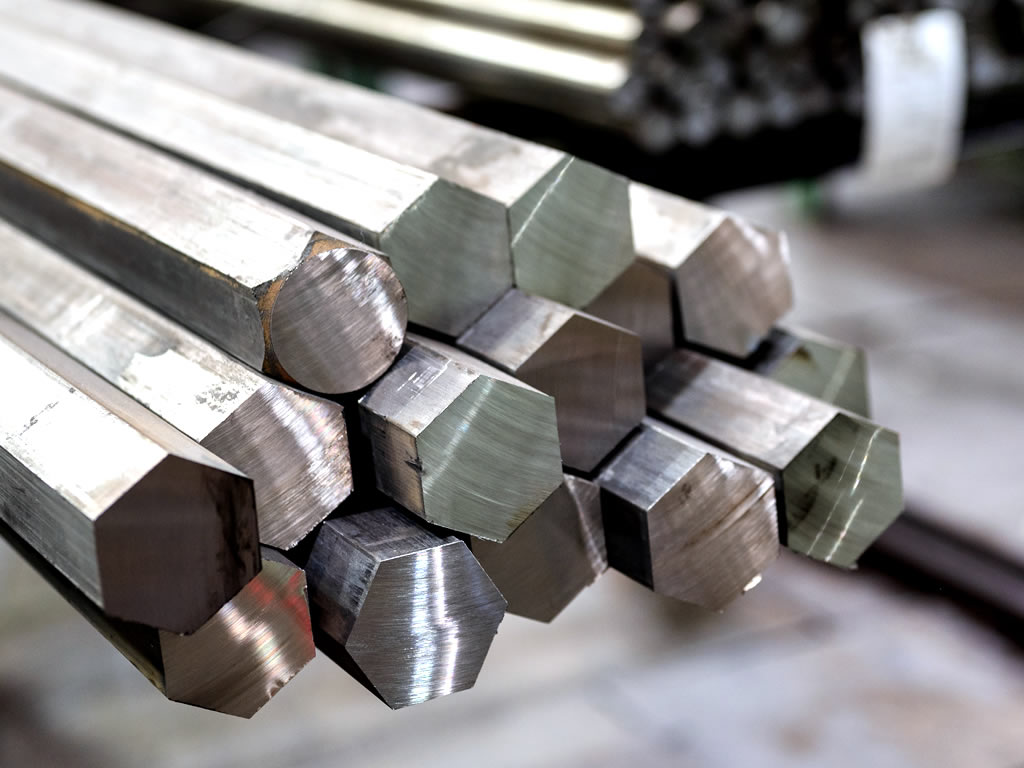
Common Low Carbon Steel Grades
Low carbon steels are standardized globally to ensure consistent quality and performance. Different standards organizations, such as ASTM International and the European Committee for Standardization (EN), specify grades for particular applications. Familiarity with these grades is crucial for correct material sourcing. Below is a table of common low carbon steel grades and their primary uses. For a deeper understanding of various steel types, our guide to Carbon Steel Grades offers additional detail.
Standard | Grade | Primary Application Area |
| ASTM | A36 | General structural purposes, including building frames, bridges, and base plates. An overview of this grade is available on our ASTM A36 Steel blog. |
| EN | S235JR | Widely used in construction and structural engineering across Europe and regions following EN standards. Ideal for non-demanding load applications. |
| EN | S275JR | Offers higher strength than S235JR, suitable for more demanding structural applications, machinery parts, and heavy construction. |
| JIS | SS400 | A Japanese standard grade used for general structural applications, including plates, bars, and sections for buildings and bridges. |
| DIN | St37 | A German standard grade equivalent to S235JR, commonly specified for general engineering and structural steelwork. |
Advantages of Low Carbon Steel
The popularity of low carbon steel is rooted in a set of clear, practical advantages that benefit manufacturers, fabricators, and end-users.
- Cost-Effectiveness: Mild steel is one of the least expensive steel types available. The raw materials are abundant, and the production process is highly refined, resulting in a low cost per ton that makes it ideal for large-scale projects.
- Easy Fabrication and Machining: Due to its high ductility and softness, low carbon steel can be easily cut, drilled, shaped, and machined. This simplifies processes for Fabrication Materials suppliers and reduces overall production costs.
- Excellent Weldability: Its low carbon content allows for straightforward welding using various methods without the need for special precautions. This results in strong, dependable welds and faster assembly times.
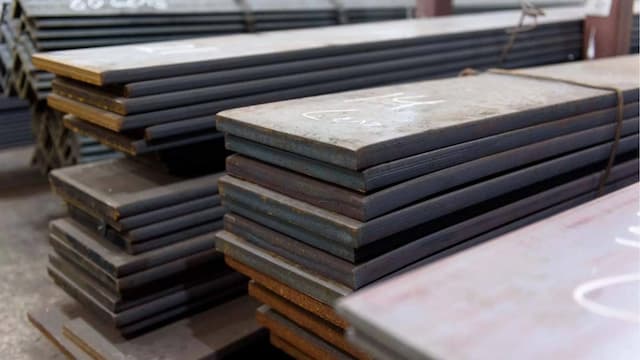
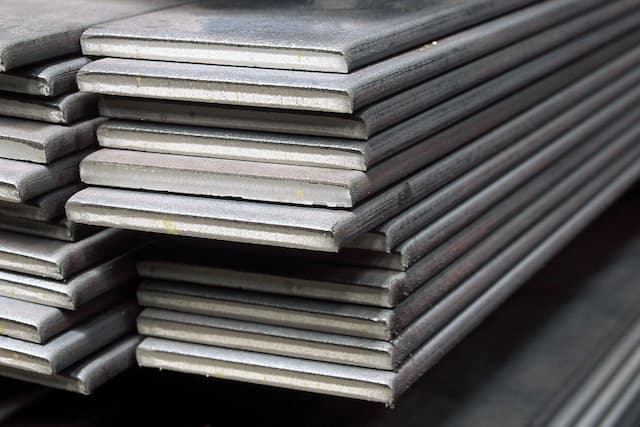
- Wide Availability: As a staple commodity, a vast range of Carbon Steel Products are readily available in numerous forms, including sheets, plates, pipes, and bars, from suppliers worldwide.
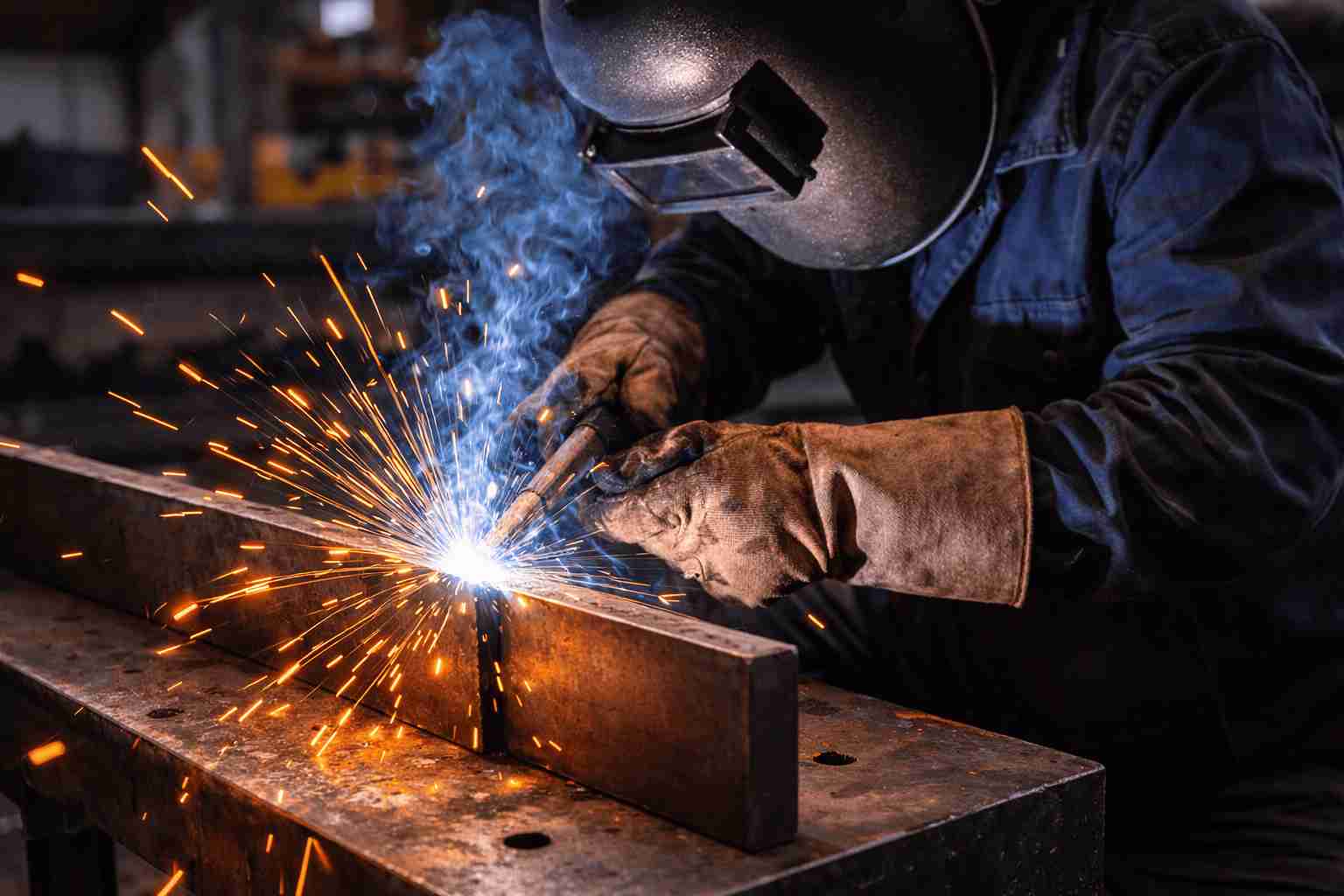
Limitations of Low Carbon Steel
Despite its many benefits, it is equally important to recognize the limitations of low carbon steel to prevent its misuse in unsuitable environments.
- Low Corrosion Resistance: Mild steel contains high levels of iron and lacks significant quantities of corrosion-resistant alloying elements like chromium. It rusts quickly when exposed to moisture and air.
- Lower Strength: Compared to medium, high carbon, and alloy steels, it has lower tensile and yield strength. This makes it unsuitable for applications requiring high strength-to-weight ratios or resistance to high stress.
- Low Hardenability: Low carbon steel cannot be significantly hardened through heat treatment (quenching and tempering). While case-hardening is possible, its core remains soft.
- Requires Protective Coatings: To mitigate corrosion, low carbon steel almost always requires a protective finish such as painting, galvanizing, or powder coating, adding an extra step and cost to the manufacturing process.
Typical Applications of Low Carbon Steel
The versatility of low carbon steel allows it to be used in a vast range of industries and applications. Its properties make it the default choice for many standard engineering requirements.
Construction and Structural Components
- This is perhaps the largest market for mild steel. It is used extensively for I-beams, C-channels, angles, and hollow structural sections (HSS) that form the skeletons of buildings, bridges, and other infrastructure. The ASTM A36 low carbon steel grade is a prime example used in our Construction Steel Solutions.
Fabrication and General Machinery
- From machine frames and base plates to brackets, enclosures, and conveyor systems, low carbon steel is a go-to material for general fabrication. Its ease of forming and welding allows for the rapid creation of custom components.
Automotive Industry
- In the automotive sector, mild steel is used for vehicle body panels, chassis components, and internal brackets. Its ability to be stamped into complex shapes and its good energy absorption during a collision are key advantages.
Pipes and Tubes
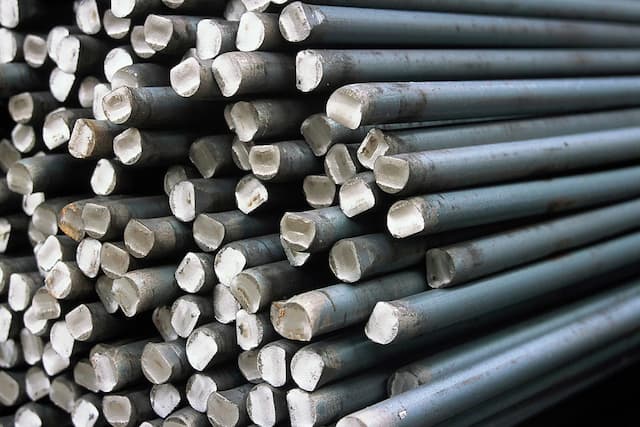
- Mild steel pipes are widely used for transporting water, oil, and gas in low-pressure applications. They are also used for structural purposes, such as in scaffolding, handrails, and fencing. Likewise, mild steel round bars serve as foundational material for shafts, fasteners, and other machined parts.
Low Carbon Steel vs. Other Carbon Steels
Choosing the right type of carbon steel is critical for performance and safety. The primary difference lies in the carbon content, which directly influences strength, hardness, and ductility. Our detailed comparison of Low vs Medium vs High Carbon Steel provides further insights.
Feature | Low Carbon Steel (Mild Steel) | Medium Carbon Steel | High Carbon Steel |
| Carbon Content | 0.04% - 0.30% | 0.31% - 0.60% | 0.61% - 1.50% |
| Strength | Lower | Medium | High |
| Hardness | Low | Medium | High to Very High |
| Ductility | High | Medium | Low |
| Weldability | Excellent | Fair (requires pre/post-heating) | Poor (difficult to weld) |
| Heat Treatment | Cannot be through-hardened | Can be hardened and tempered | Can be hardened to a high degree |
| Typical Uses | Structural beams, plates, pipes | Gears, axles, railway tracks | Cutting tools, springs, high-strength wires |
How to Choose the Right Low Carbon Steel
Selecting the correct grade and form of low carbon steel requires careful consideration of the intended application's demands. Use this checklist to guide your decision-making process and ensure you source a material fit for purpose.
- Evaluate Strength and Load Requirements: Will the component be under significant stress or load? While suitable for many structural uses, applications requiring high tensile or yield strength may necessitate a stronger grade like S275JR or even a medium carbon steel.
- Assess Welding and Fabrication Needs: Is extensive welding or complex forming required? The excellent weldability and ductility of standard mild steel grades like ASTM A36 or S235JR make them ideal for intricate fabrication work.
- Consider the Operating Environment: Will the steel be exposed to moisture, chemicals, or abrasive conditions? If so, a protective coating is non-negotiable. Plan for galvanizing, painting, or another surface treatment to prevent corrosion.
- Define Dimensional and Form Requirements: Do you need plates, sheets, pipes, or bars? The availability of specific shapes and sizes may influence your grade selection.
- Review Certification and Compliance Needs: Does your project demand specific standards compliance and full traceability? Ensure your supplier can provide a Material Test Certificate (EN 10204 3.1) and adheres to a strict Quality Assurance program.
- Balance Performance with Budget: Low carbon steel is cost-effective, but costs can vary between grades and with added finishing processes. Align your material choice with your project budget without compromising on necessary performance characteristics.
Frequently Asked Questions (FAQ)
1. What is low carbon steel?
Low carbon steel, also known as mild steel, is a type of steel with a carbon content between 0.04% and 0.30%. This low carbon level makes it highly ductile, weldable, and easy to machine.
2. Is mild steel the same as low carbon steel?
Yes, the terms "mild steel" and "low carbon steel" are used interchangeably to describe the same material. "Mild steel" is a more common, informal name.
3. Can low carbon steel be welded easily?
Yes, one of the primary advantages of low carbon steel is its excellent weldability. It can be joined using all common welding processes without the need for pre-heating or post-weld heat treatment, making fabrication simpler and more cost-effective.
4. Does low carbon steel rust?
Yes, low carbon steel has poor corrosion resistance and will rust readily when exposed to moisture and oxygen. It must be protected with a coating, such as paint, galvanization, or powder coating, to prevent corrosion.
5. What is low carbon steel used for?
It is used in a vast range of applications, including structural beams for construction, car body panels, machinery parts, furniture, fencing, and pipelines for water and gas.
6. Which low carbon steel grade is best for construction?
ASTM A36 is the most common grade for structural applications in the United States. In regions following European standards, S235JR and S275JR are the prevalent choices for construction projects.
7. Can low carbon steel be hardened?
Low carbon steel cannot be significantly hardened through heat treatment processes like quenching and tempering because it lacks sufficient carbon. However, its surface can be hardened through processes like carburizing (case-hardening).
8. What is the difference between low carbon and high carbon steel?
The main difference is the carbon content. Low carbon steel is ductile and weldable but has lower strength. High carbon steel is much stronger and harder but is brittle and difficult to weld.
9. Is low carbon steel magnetic?
Yes, low carbon steel is a ferromagnetic material, which means it is strongly attracted to magnets and can be easily magnetized.
10. Why is low carbon steel so cheap?
Its low cost is due to the abundance of its primary components (iron and carbon) and a highly efficient, large-scale manufacturing process that has been refined over many decades.
Conclusion
Low carbon steel’s unique blend of affordability, excellent formability, and superior weldability solidifies its position as a fundamental material in modern industry. From towering skyscrapers to everyday machinery, its presence is a testament to its reliability and economic value. While its susceptibility to corrosion requires consideration, this limitation is easily managed with appropriate protective measures. Understanding its properties, grades, and applications empowers you to leverage its benefits effectively.
Choosing the right grade is paramount to ensuring the safety, longevity, and cost-effectiveness of your project. By carefully evaluating your application's specific requirements against the material's characteristics, you can make a sound selection. For expert guidance and a reliable supply of certified Carbon Steel Products, consult with a trusted materials partner who can ensure your project’s success from the ground up.
 Let's Talk
Carbon steel and stainless steel are both iron-based alloys but differ fundamentally in chromium con...
EN8 round bar guide covering properties, hardness, machinability, applications, and UAE sourcing fro...
Understanding the difference between mild steel and carbon steel, or how alloy steel compares in str...
Selecting the wrong grade can lead to catastrophic component failure, increased machining costs, or ...




Elevate Your Projects with
with
 Our Superior Steels
