

Mild Steel vs Carbon Steel vs Alloy Steel: Key Differences
Understanding the difference between mild steel and carbon steel, or how alloy steel compares in strength and function, is essential for procurement managers and engineers. This guide provides a comprehensive comparison of mild steel vs carbon steel vs alloy steel, covering their composition, properties, applications, and how to choose the right grade for your specific requirements.

Mild Steel vs Carbon Steel vs Alloy Steel — A Full Comparison
Selecting the correct type of steel is a critical decision for any engineering, construction, or manufacturing project. The material's properties directly influence the final product's performance, durability, and cost-effectiveness. Three of the most common categories of steel are mild steel, carbon steel, and alloy steel. While all are iron-based alloys, their distinct chemical compositions give them unique mechanical properties suited for different applications.
What is Mild Steel?
Mild steel is a type of low-carbon steel, meaning it has a very low concentration of carbon—typically between 0.05% and 0.25% by weight. Due to its minimal carbon content, it is not an alloy steel. The term "mild steel" is often used interchangeably with "low-carbon steel." This material is known for its excellent ductility and weldability but possesses relatively low tensile strength compared to higher-carbon and alloy steels.
Mild Steel Composition and Properties
The defining characteristic of mild steel is its low carbon content. It consists primarily of iron, with only a small amount of carbon and trace amounts of other elements.
- Ductility: High ductility makes it easy to form, bend, and machine.
- Weldability: Excellent weldability without requiring pre-heating or post-welding treatments.
- Strength: Lower tensile strength compared to other steels. It is not suitable for applications requiring high structural rigidity under extreme loads.
- Hardness: It is a relatively soft material, which makes it prone to denting and wear.
- Corrosion Resistance: Prone to rust (oxidation) if not coated or treated. Common protection methods include galvanizing, painting, or priming.
A widely used grade is ASTM A36, valued in construction for its combination of strength, formability, and weldability. Another common grade is 1018 steel, which offers a good balance of toughness, strength, and ductility.
What is Carbon Steel?
Carbon steel is an iron-carbon alloy where carbon is the main alloying element, with a content up to 2.1% by weight. The definition of carbon steel stipulates that its properties are primarily defined by the amount of carbon it contains, with no minimum specified content for other alloying elements like chromium, nickel, or molybdenum.
Carbon steels are categorized based on their carbon content:
- Low-Carbon Steel (Mild Steel): Contains up to 0.30% carbon. It is the most common and cost-effective form of carbon steel.
- Medium-Carbon Steel: Contains between 0.30% and 0.60% carbon. It offers a balance of strength, hardness, and ductility. Common grades include 1045 and EN8.
- High-Carbon Steel: Contains between 0.60% and 1.5% carbon. It is extremely hard and strong but less ductile.
The primary difference between mild steel and carbon steel is that mild steel is a subcategory of carbon steel. However, in industrial applications, "carbon steel" often refers to medium and high-carbon varieties.
Carbon Steel Properties
As carbon content increases, the steel becomes harder and stronger through heat treatment, but its ductility and weldability decrease.
- Hardness and Strength: Higher carbon content directly increases hardness and tensile strength. Medium-carbon steels like 1045 can be heat-treated for enhanced mechanical properties.
- Ductility: Inversely related to carbon content. High-carbon steels are more brittle.
- Weldability: Welding becomes more challenging as carbon content rises, often requiring pre-heating and post-weld heat treatment to prevent cracking.
- Wear Resistance: Higher hardness provides good wear resistance, making it suitable for cutting tools and high-wear components.
What is Alloy Steel?
Alloy steel is a type of steel that is alloyed with a variety of elements in addition to carbon to improve its mechanical properties. Common alloying elements include manganese, nickel, chromium, molybdenum, vanadium, silicon, and boron. These elements are added in specific quantities to enhance hardness, strength, toughness, corrosion resistance, and hardenability.
For instance, adding chromium improves corrosion resistance and hardness, while nickel increases toughness. Molybdenum enhances strength at high temperatures. Popular alloy steel grades include 4140, 4340, EN19, and EN24, each formulated for specific performance characteristics.
Alloy Steel Properties
Alloy steels are engineered for demanding applications where carbon steels fall short.
- Strength and Toughness: Alloy steels exhibit superior strength-to-weight ratios and toughness compared to carbon steels. Grades like /products/4340-alloy-steel/ are renowned for their exceptional toughness and strength even in large sections.
- Hardenability: Alloying elements improve the steel's ability to be hardened through heat treatment. This allows for achieving high hardness levels uniformly through thicker sections.
- Corrosion Resistance: Certain alloys, particularly those with chromium, offer significantly better resistance to corrosion than carbon steels.
- High-Temperature Performance: Additions like molybdenum and chromium allow alloy steels to maintain their strength at elevated temperatures.
The difference between carbon steel and alloy steel lies in these intentionally added elements, which impart specialized properties that cannot be achieved with carbon alone.
Mild Steel vs Carbon Steel vs Alloy Steel: A Direct Comparison
To clearly understand the key distinctions, this steel comparison chart breaks down the properties of each type.
Property | Mild Steel (Low-Carbon) | Medium/High-Carbon Steel | Alloy Steel |
| Carbon Content | 0.05% – 0.30% | 0.30% – 1.5% | Varies, typically 0.15% - 1.0% |
| Alloying Elements | Minimal | Primarily carbon | Chromium, Nickel, Moly, etc. |
| Tensile Strength | Low | Medium to High | Very High |
| Hardness | Low | Medium to Very High | High to Very High |
| Ductility/Formability | Excellent | Poor to Fair | Fair to Good |
| Weldability | Excellent | Fair to Poor | Fair (requires special procedures) |
| Corrosion Resistance | Poor | Poor | Fair to Excellent (depends on alloy) |
| Cost | Low | Moderate | High |
Mild Steel vs Alloy Steel Strength
A common point of comparison is strength. Mild steel has a tensile strength typically ranging from 400 to 550 MPa. In contrast, heat-treated alloy steels can achieve tensile strengths well over 1000 MPa. For example, AISI 4140 alloy steel can reach strengths of up to 1100 MPa, making it suitable for high-stress components like gears and shafts. This significant difference in the mild steel vs alloy steel strength profile dictates their use in structural versus high-performance applications.
Carbon Steel vs Alloy Steel Strength
The strength difference between carbon steel and alloy steel is also notable. While a high-carbon steel can be made very hard, it often becomes brittle. Alloy steels, through the addition of elements like nickel, can achieve high strength while retaining good toughness, preventing catastrophic failure under load. This balanced performance is a key advantage of alloy steel. For instance, /products/en19-round-bar/ offers excellent tensile strength combined with good shock resistance.
Advantages and Disadvantages of Each Steel Type
Mild Steel
Advantages:
- Highly affordable and widely available.
- Excellent weldability and machinability.
- High ductility, making it easy to form.
Disadvantages:
- Low tensile strength.
- Poor corrosion resistance without a protective coating.
- Cannot be significantly hardened through heat treatment.
Carbon Steel (Medium to High)
Advantages:
- Good hardness and wear resistance.
- Higher strength than mild steel.
- Can be heat-treated to achieve a wide range of mechanical properties.
Disadvantages:
- Lower ductility and more brittle than mild steel.
- More difficult to weld.
- Poor corrosion resistance.
Alloy Steel
Advantages:
- Exceptional strength, toughness, and hardness.
- Superior corrosion and heat resistance compared to carbon steels.
- Highly customizable properties based on alloy composition.
Disadvantages:
- Significantly higher cost.
- Requires specialized procedures for welding and heat treatment.
- Machining can be more difficult due to higher hardness.
Applications Across Industries
The unique properties of each steel type determine their suitability for various industrial sectors.
- Construction: Mild steel is the backbone of the construction industry, used for structural beams (like A36), plates, and rebars due to its cost-effectiveness and ease of fabrication.
- Automotive: Alloy steels are critical for manufacturing crankshafts, gears, and axles where high strength and fatigue resistance are required. Carbon steels are used for body panels and frames.
- Oil & Gas: Alloy steels with chromium and molybdenum are used for pipes, valves, and pressure vessels that must withstand high pressures and corrosive environments. Alloy steel round bars are essential for downhole drilling tools.
- Machining and Fabrication: Mild steel is a favorite for general fabrication due to its ease of welding and forming. High-carbon and alloy steels are used to make cutting tools, dies, and molds.
- Engineering and Tooling: High-carbon steel is used for springs and high-strength wires. Alloy steels like 4140 and EN24 are used for machine parts, shafts, and fasteners that require exceptional durability.
How to Choose the Right Steel for Your Project
Selecting the appropriate steel grade involves balancing four key factors:
- Performance Requirements: What mechanical properties are necessary? Consider the required tensile strength, hardness, toughness, and resistance to fatigue, corrosion, or heat. A high-stress component will necessitate an alloy steel, while a simple structural frame can be made from mild steel.
- Fabrication and Machinability: How will the steel be processed? If the project involves extensive welding or complex forming, mild steel is a practical choice. For parts that need to be machined to tight tolerances after hardening, an alloy or carbon steel with good machinability in its treated state is required.
- Heat Treatment: Will the component be heat-treated? If hardening is necessary to achieve desired properties, medium-carbon or alloy steels are the only options. Mild steel does not respond significantly to heat treatment.
- Cost: What is the project budget? Mild steel is the most economical option. Alloy steels are the most expensive but are justified when performance and safety are non-negotiable. Carbon steel offers a middle ground.
Your Trusted Partner for Steel Supply
Understanding the differences between mild steel vs carbon steel vs alloy steel is fundamental to successful project execution. The right choice ensures structural integrity, longevity, and cost-efficiency.
At Nifty Alloys, we provide a comprehensive inventory of certified steel products to meet the rigorous demands of your industry. Our commitment to quality and reliability ensures you receive materials that comply with international standards.
We supply:
- Mild Steel: Available in bars, pipes, and plates for structural and fabrication needs.
- Carbon Steel: Stocking a range of grades in bars, pipes, and sheets for machinery and manufacturing.
- Alloy Steel: Specializing in high-performance alloy steel round bars, including grades like 4140, 4340, EN19, and EN24, complete with mill test certificates.
For materials that meet global standards, backed by expert guidance and timely supply, partner with Nifty Alloys. Contact us today to discuss your project requirements and secure the right materials for your application.
Frequently Asked Questions (FAQs)
- 1. What is the main difference between mild steel and carbon steel?
Mild steel is a type of low-carbon steel. The main difference is carbon content; mild steel has 0.05-0.25% carbon, while the broader "carbon steel" category includes medium (0.3-0.6%) and high (>0.6%) carbon variants, which are harder and stronger. - 2. Is alloy steel stronger than carbon steel?
Yes, alloy steels are generally stronger than carbon steels. The addition of alloying elements like nickel, chromium, and molybdenum enhances their strength, toughness, and hardenability beyond what is achievable with carbon alone. - 3. Can you weld alloy steel?
Yes, but it is more complex than welding mild steel. Welding alloy steel often requires pre-heating, post-weld heat treatment, and specialized filler materials to prevent cracking and maintain its mechanical properties. - 4. Why is mild steel so common in construction?
Mild steel is common in construction because it is affordable, easy to weld and fabricate, and has sufficient strength for most structural applications like beams, frames, and panels. - 5. What is the difference between mild steel and alloy steel strength?
Mild steel has low tensile strength (around 400-550 MPa), whereas heat-treated alloy steels can exceed 1000 MPa. This makes alloy steel suitable for high-stress, performance-critical components. - 6. Which steel is best for resisting rust?
Of these three, certain alloy steels (like those containing chromium) offer the best corrosion resistance. Both mild steel and standard carbon steels have poor resistance to rust and must be coated or painted for protection. - 7. What are carbon steel grades like 1045 and 1018 used for?
1018 is a low-carbon steel used for general-purpose parts requiring good formability. 1045 is a medium-carbon steel used for parts needing higher strength and hardness, such as gears, axles, and studs. - 8. What are common alloy steel grades?
Common alloy steel grades include 4140 (chromium-molybdenum steel), 4340 (nickel-chromium-molybdenum steel), EN19, and EN24. These are used for high-strength applications in automotive, aerospace, and oil & gas. - 9. Is carbon steel magnetic?
Yes, carbon steel is ferromagnetic due to its high concentration of iron. - 10. How do I choose between mild, carbon, and alloy steel?
Choose mild steel for low-cost, easy-to-fabricate structural applications. Choose medium or high-carbon steel for parts needing more strength and wear resistance. Choose alloy steel for high-stress, high-performance components requiring superior strength, toughness, and heat/corrosion resistance.
 Let's Talk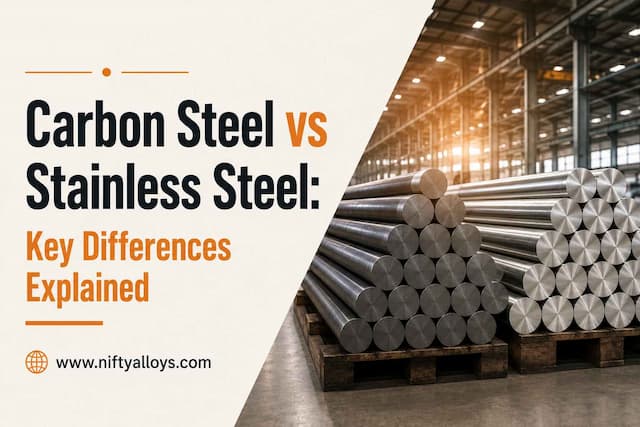
Carbon steel and stainless steel are both iron-based alloys but differ fundamentally in chromium con...
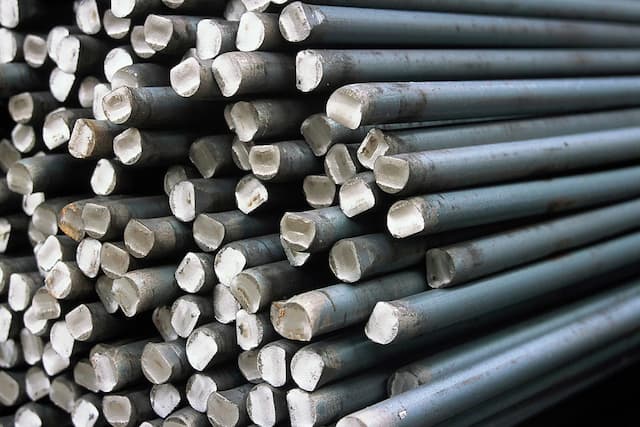
EN8 round bar guide covering properties, hardness, machinability, applications, and UAE sourcing fro...
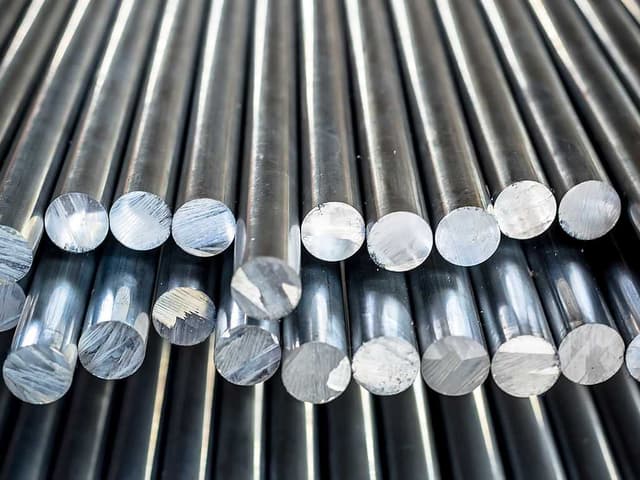
This guide provides a comprehensive overview of low carbon steel. We will examine its fundamental pr...
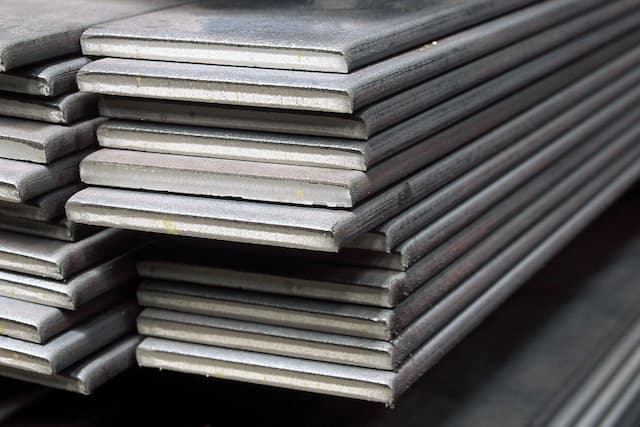
Selecting the wrong grade can lead to catastrophic component failure, increased machining costs, or ...




Elevate Your Projects with
with
 Our Superior Steels
