

AISI 4140 vs 4340 Alloy Steel – Strength, Hardness & Applications
Alloy steels play a critical role in modern engineering, where performance, durability, and reliability are essential. Among the most widely used grades, AISI 4140 and AISI 4340 alloy steel stand out for their exceptional strength, toughness, and versatility. Understanding the difference between 4140 and 4340 steel is crucial for engineers, procurement professionals, and manufacturers when selecting materials for high-performance applications. In this guide, we provide a complete comparison of AISI 4140 vs 4340 alloy steel, including chemical composition, mechanical properties, heat treatment, and industrial applications
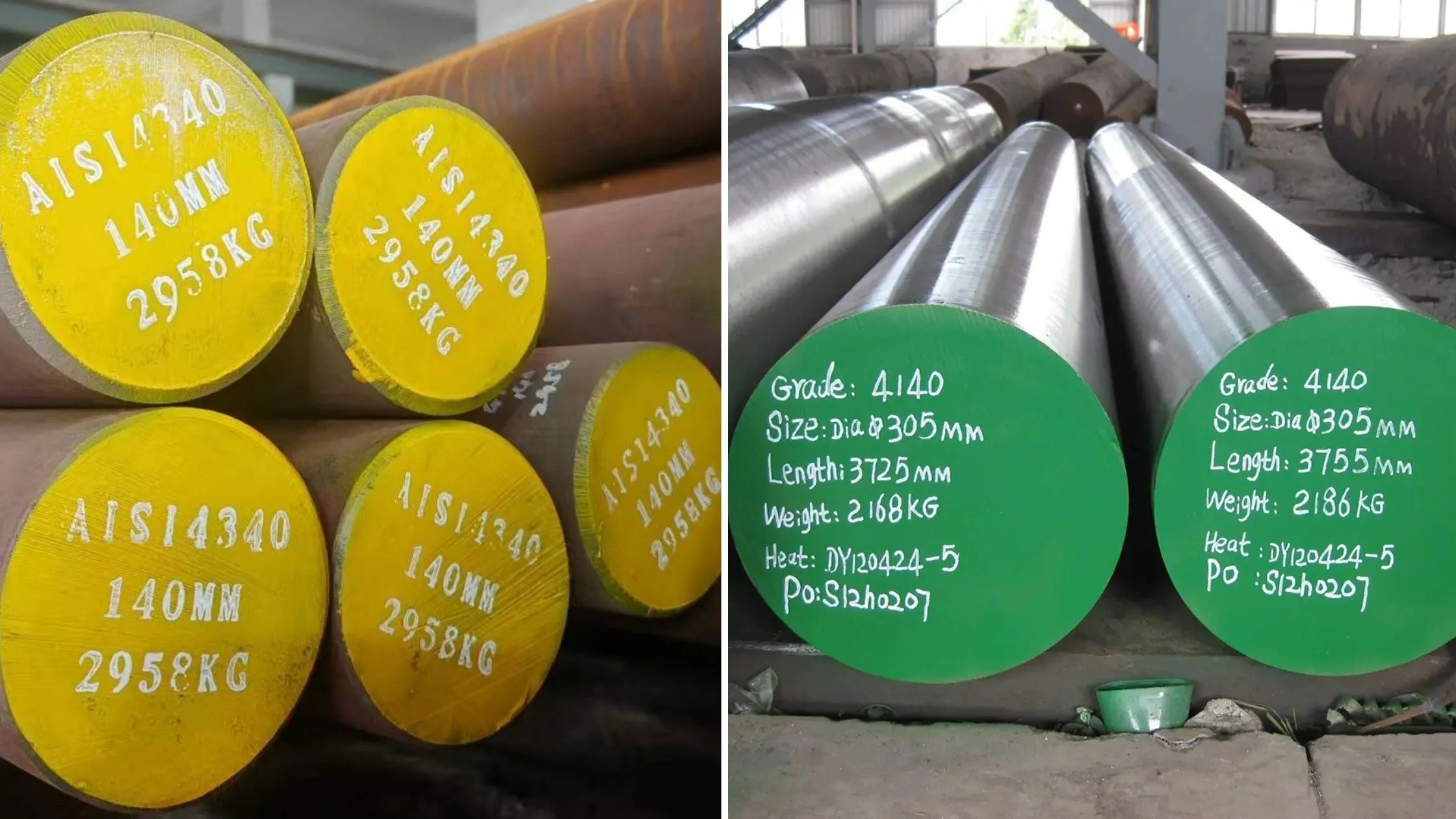
AISI 4140 vs 4340 steel
AISI 4140 offers a balanced combination of strength, toughness, and cost-efficiency, making it ideal for general engineering applications. In contrast, AISI 4340 provides superior strength, fatigue resistance, and toughness due to its nickel content, making it better suited for high-stress and critical applications such as aerospace and heavy machinery.
What is AISI 4140 Alloy Steel?
AISI 4140 is a chromium-molybdenum alloy steel known for its excellent balance of strength, toughness, and wear resistance. It is widely used in applications requiring moderate strength and good machinability. Learn more in this AISI 4140 properties guide
Key Features:
- Medium carbon alloy steel
- Good fatigue strength
- Excellent hardenability
- Suitable for heat treatment
What is AISI 4340 Alloy Steel?
AISI 4340 is a nickel-chromium-molybdenum alloy steel with superior toughness and fatigue resistance. It is designed for high-stress applications where extreme strength is required. Learn more in this AISI 4340 properties guide
Key Features:
- High-strength alloy steel
- Excellent impact resistance
- Superior fatigue strength
- Performs well under heavy loads
Chemical Composition Comparison
Element | AISI 4140 (%) | AISI 4340 (%) |
| Carbon (C) | 0.38 – 0.43 | 0.38 – 0.43 |
| Chromium (Cr) | 0.80 – 1.10 | 0.70 – 0.90 |
| Nickel (Ni) | — | 1.65 – 2.00 |
| Molybdenum (Mo) | 0.15 – 0.25 | 0.20 – 0.30 |
| Manganese (Mn) | 0.75 – 1.00 | 0.60 – 0.80 |
Key Difference:
- 4340 contains nickel, which significantly improves toughness and fatigue resistance.
- 4140 is simpler and more cost-effective due to lower alloy content.
AISI 4140 vs 4340 Mechanical Properties Comparison
Property | AISI 4140 | AISI 4340 |
| Tensile Strength | 850 – 1000 MPa | 1000 – 1200+ MPa |
| Yield Strength | 655 MPa | 740 – 1000 MPa |
| Hardness (HRC) | 28 – 32 (QT) | 30 – 40 (QT) |
| Elongation | ~25% | ~22% |
| Impact Strength | Moderate | High |
For broader material selection, explore this complete alloy steel guide
4140 vs 4340 Strength & Hardness
Property | AISI 4140 | AISI 4340 |
| Tensile Strength | 850 – 1000 MPa | 1000 – 1200+ MPa |
| Yield Strength | ~655 MPa | 740 – 1000 MPa |
| Hardness (HRC) | 28 – 32 | 30 – 40+ |
| Fatigue Strength | Good | Excellent |
| Toughness | Moderate | Very High |
Toughness & Fatigue Resistance
One of the most important differences in 4140 vs 4340 steel is toughness.
AISI 4140:
- Good toughness
- Suitable for general engineering
- Performs well under moderate stress
AISI 4340:
- Exceptional toughness due to nickel content
- High fatigue resistance
- Ideal for dynamic loading and shock applications
Heat Treatment Comparison
Both steels respond well to heat treatment processes like annealing, quenching, and tempering.
AISI 4140 Heat Treatment:
- Annealed: Soft and machinable
- Quenched & Tempered: Improved strength and hardness
- Easier to heat treat
AISI 4340 Heat Treatment:
- Requires more precise control
- Offers superior mechanical properties after treatment
- Retains strength at higher temperatures
Machinability & Weldability
Property | 4140 Steel | 4340 Steel |
| Machinability | Good | Moderate |
| Weldability | Fair (preheat required) | Difficult |
| Formability | Moderate | Lower |
Summary:
- 4140 is easier to machine and weld
- 4340 requires skilled processing
Cost Comparison
Factor | 4140 | 4340 |
| Raw Material Cost | Lower | Higher |
| Processing Cost | Moderate | High |
| Overall Cost | Cost-effective | Premium |
Why 4340 is expensive:
- Higher alloy content (nickel)
- More complex heat treatment
- Used in critical applications
Applications of AISI 4140 vs 4340
Industry / Application | AISI 4140 Alloy Steel | AISI 4340 Alloy Steel |
| Automotive | Axles, shafts, crankshafts | High-performance crankshafts, connecting rods |
| Aerospace | Limited use | Aircraft landing gear, structural components |
| Oil & Gas | Drill collars, tool joints | High-stress drilling components |
| Heavy Machinery | Gears, spindles, couplings | Heavy-duty gears, high-load shafts |
| Power Generation | Turbine components (moderate stress) | High-strength turbine shafts |
| Defense / Military | General components | Armor, high-impact parts |
| Tooling & Dies | General tooling | High-stress dies and molds |
| Construction Equipment | Pins, bolts, fasteners | Load-bearing structural components |
| Mining Equipment | Wear-resistant parts | High-impact, fatigue-resistant components |
| Industrial Equipment | Machine parts, rollers | Critical rotating components |
Pros & Cons – 4140 vs 4340 Steel
Steel | Pros | Cons |
| AISI 4140 | Affordable, easy to machine, widely available | Lower toughness, limited for extreme stress |
| AISI 4340 | High strength, excellent fatigue resistance, superior toughness | Expensive, difficult machining, complex heat treatment |
4140 vs 4340 – Which Should You Choose?
Choosing between AISI 4140 vs 4340 alloy steel depends on your application requirements:
Choose AISI 4140 if:
- You need cost-effective alloy steel
- Application involves moderate stress
- Machining and availability are priorities
- Used in shafts, gears, and general components
Choose AISI 4340 if:
- Your application involves high stress or shock loads
- You need maximum fatigue resistance
- Used in aerospace, defense, or heavy-duty machinery
- Performance matters more than cost
Conclusion
The comparison of AISI 4140 vs 4340 alloy steel highlights a clear trade-off between cost and performance.
- 4140 steel offers versatility, affordability, and ease of machining
- 4340 steel delivers superior strength, toughness, and fatigue resistance
Selecting the right material depends on your operational requirements, budget, and performance expectations.
 Let's Talk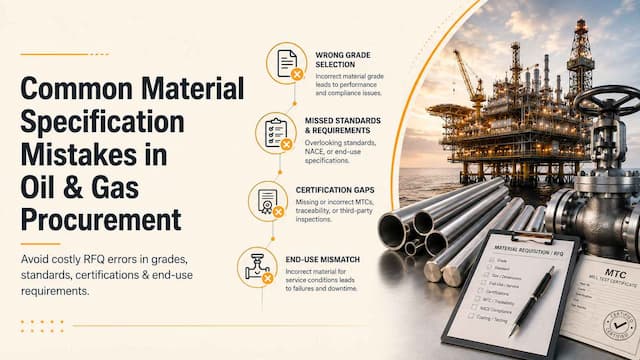
The six most common material specification mistakes in oil and gas and industrial procurement are: s...
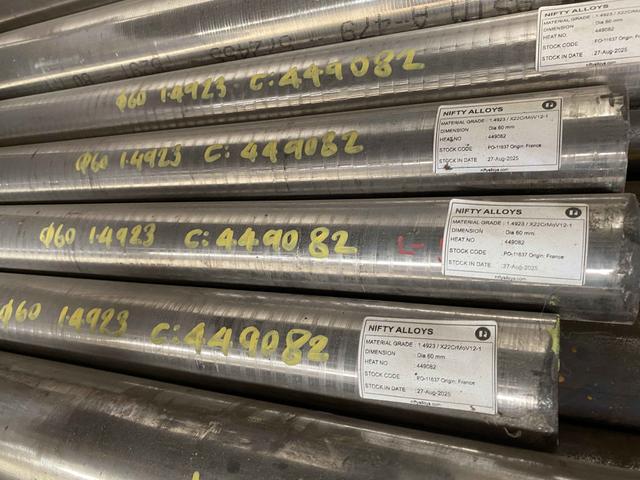
Discover the mechanical properties, heat treatment procedures, and high-temperature performance of 1...
Looking for a stainless steel round bar supplier in UAE? Compare grades 304, 316, and 316L, key spec...




Elevate Your Projects with
with
 Our Superior Steels
