

When Should You Use EN31 Bearing Steel (And When You Should Avoid It)?
EN31 bearing steel should be used for applications requiring high hardness, wear resistance, and fatigue strength such as bearings, shafts, and precision components. It should be avoided in applications requiring high impact resistance, welding, or cost-sensitive projects.
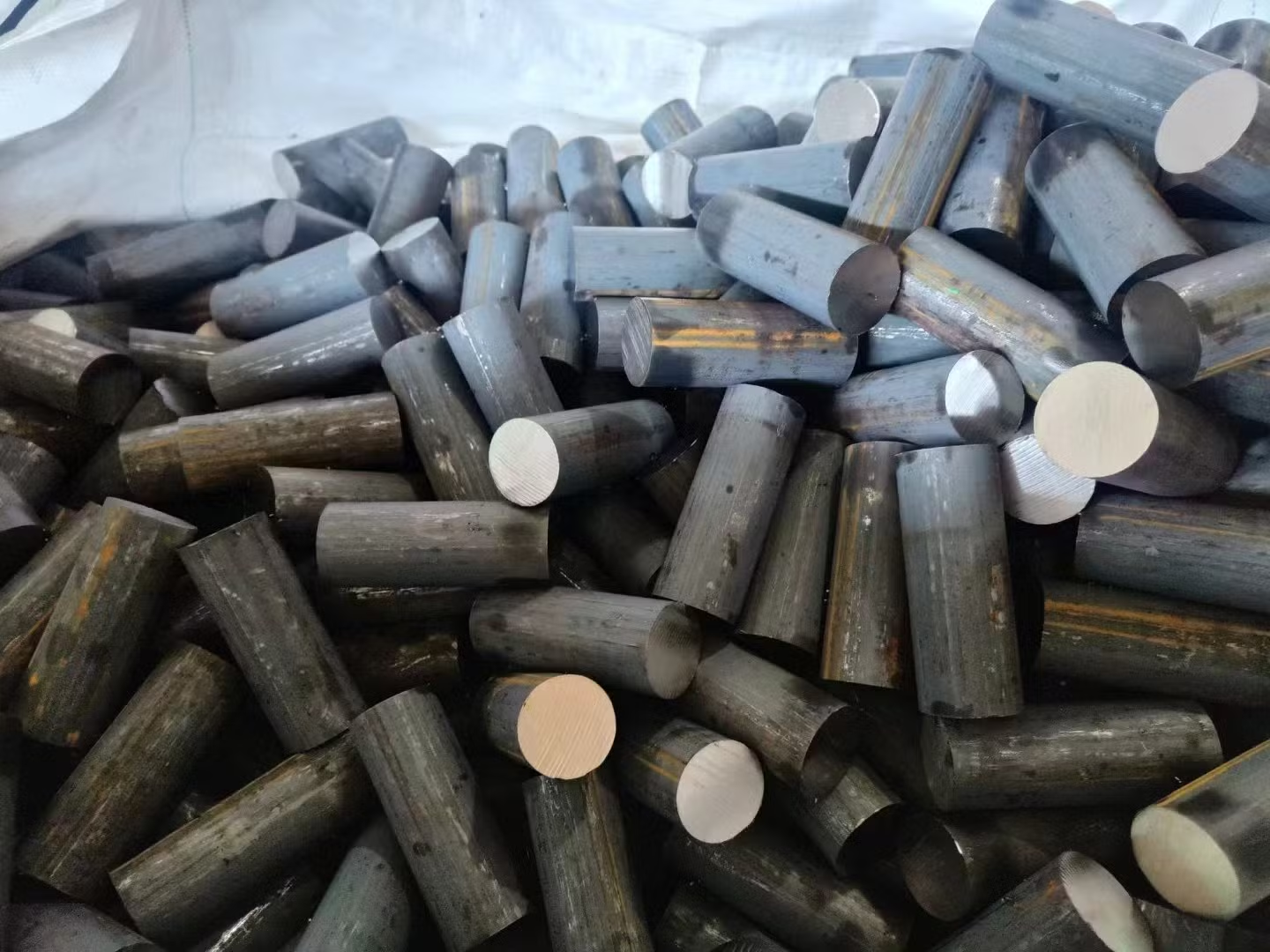
Choosing the right steel grade is one of the most critical decisions in engineering, manufacturing, and procurement. Among the many options available, EN31 bearing steel stands out as a high-performance material known for its exceptional hardness, wear resistance, and fatigue strength. However, EN31 is not a universal solution. While it performs exceptionally well in specific applications, using it in the wrong conditions can lead to failure, unnecessary cost, or reduced efficiency.
What is EN31 Bearing Steel?
EN31 is a high carbon chromium alloy steel widely used for bearing and wear-resistant applications. It is specifically designed for:
- High hardness (up to ~65 HRC)
- Excellent wear resistance
- High fatigue strength under cyclic loading
According to, EN31 is commonly used in bearings, shafts, bushings, and tooling components where durability and precision are critical. If you want to understand how EN31 fits into the broader category of steels, explore: Steel Specification This will help you compare EN31 with other alloy and engineering steels.
When Should You Use EN31 Bearing Steel?
EN31 steel should be used for applications requiring high hardness, wear resistance, and fatigue strength such as bearings, shafts, and precision components. It should be avoided in applications requiring high impact resistance, welding, or cost efficiency.
1. High Wear Resistance Applications
EN31 is best used when components are exposed to continuous friction, abrasion, or surface contact.
Typical applications include:
- Ball and roller bearings
- Wear plates and rollers
- Bushings and guides
Its chromium content forms hard carbides, making it highly resistant to wear.
2. Rolling Contact & Fatigue Loading
EN31 is specifically engineered for rolling contact fatigue resistance.
Use it in:
- Bearing races
- Gear components
- Rotating shafts
These applications involve repeated stress cycles, and EN31 performs extremely well under such conditions. Related reading: Why 4140 Alloy Steel Is the Most Popular Engineering Steel
This helps compare EN31 with other engineering steels like 4140.
3. Precision Engineering Components
EN31 offers excellent dimensional stability after heat treatment, making it ideal for:
- Precision shafts
- Spindles
- Machine components
Industries such as automotive, aerospace, and manufacturing rely on EN31 where tight tolerances are critical.
4. High Hardness Requirements
If your application requires extreme surface hardness, EN31 is one of the best choices.
It responds well to:
- Through hardening
- Induction hardening
- Tempering
- This makes it suitable for:
- Dies and punches
- Tooling components
- High-contact surfaces
5. Long Service Life Applications
EN31 is ideal for applications where durability and lifecycle performance matter.
Benefits include:
- Reduced wear
- Lower maintenance costs
- Extended component life
This is why industries choose EN31 for high-performance, long-term applications.
When Should You Avoid EN31 Bearing Steel?
Despite its advantages, EN31 has important limitations.
1. High Impact or Shock Load Applications
EN31 is hard but brittle, which means it can crack under sudden impact.
Avoid EN31 in:
- Heavy structural components
- Impact tools
- Shock-loaded machinery
Better alternative: Tough steels like 4140 or EN24
2. Welding Applications
EN31 has poor weldability due to high carbon content.
Problems include:
- Cracking during welding
- Heat-affected zone failures
Avoid EN31 if your project involves fabrication or welding.
3. Complex Machining Requirements
After hardening, EN31 becomes:
- Extremely hard
- Difficult to machine
This increases:
- Machining time
- Tool wear
- Production cost.
4. Budget-Sensitive Projects
EN31 is a premium material due to:
- Alloy composition
- Heat treatment requirements
Avoid EN31 if:
- Performance requirements are low
- Cost is a major constraint
5. General Engineering Applications
EN31 is often over-engineered for simple uses.
Avoid using it for:
- Low-stress components
- Basic fabrication
- General-purpose structures
Explore broader material options here: low carbon steel
EN31 Steel Decision Table
Use EN31 When… | Avoid EN31 When… |
| High wear resistance required | High impact resistance needed |
| Rolling contact stress present | Welding is required |
| Precision components needed | Budget is limited |
| Long service life required | Application is low-stress |
| High hardness is critical | Complex machining required |
EN31 vs Other Steel Grades
Understanding alternatives helps you choose better:
EN31 vs 4140
- EN31 → High hardness & wear resistance
- 4140 → Better toughness & versatility
EN31 vs Mild Steel
- EN31 → High performance
- Mild steel → Cost-effective, easy to fabricate
EN31 vs Tool Steel
- EN31 → Bearings & wear parts
- Tool steel → Cutting and tooling applications
Learn more about tool steels: Tool steel grades explained
Real Industrial Applications of EN31
EN31 is widely used in:
- Automotive (CV joints, shafts)
- Manufacturing (rollers, mandrels)
- Heavy machinery (gears, guides)
- Tooling (dies, gauges)
Its performance is especially valuable in environments with:
- High load
- High speed
- Continuous friction
Explore broader material options here: 4140 vs 4340 alloy steel comparison
How to Choose the Right Steel Grade
Selecting the right steel depends on:
- Load type (static vs dynamic)
- Wear conditions
- Manufacturing process
- Budget
For technical specifications and standards, refer to: Steel-specifications
Final Thoughts
EN31 bearing steel is a specialized, high-performance material—not a universal solution.
Use EN31 when:
- High hardness is required
- Wear resistance is critical
- Components face repeated stress
Avoid EN31 when:
- Impact resistance is needed
- Welding is required
- Cost efficiency is the priority
If chosen correctly, EN31 can significantly improve performance, durability, and reliability.
FAQs
Is EN31 good for bearings?
- Yes, EN31 is specifically designed for bearings due to its high hardness and fatigue resistance.
What are the main uses of EN31 steel?
- Bearings, shafts, gears, rollers, and wear-resistant components.
Can EN31 be welded?
- No, EN31 has poor weldability and is prone to cracking.
What are the disadvantages of EN31?
- Brittleness, difficult machining, poor weldability, and higher cost.
 Let's Talk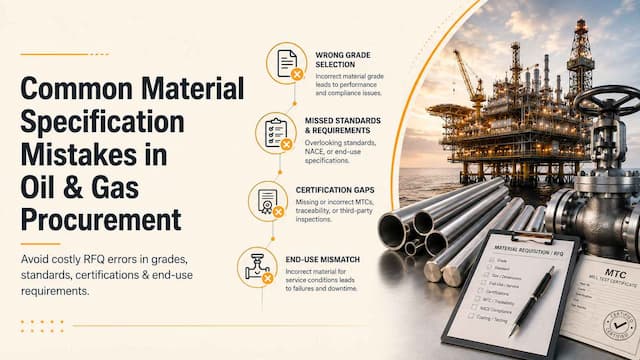
The six most common material specification mistakes in oil and gas and industrial procurement are: s...
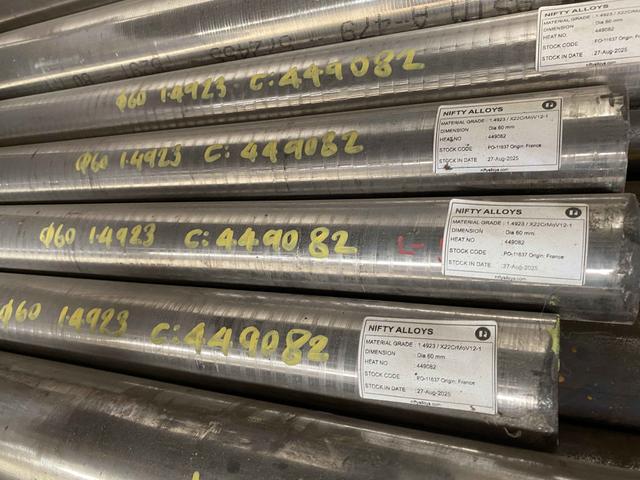
Discover the mechanical properties, heat treatment procedures, and high-temperature performance of 1...
Looking for a stainless steel round bar supplier in UAE? Compare grades 304, 316, and 316L, key spec...




Elevate Your Projects with
with
 Our Superior Steels
