

NACE MR0175 / ISO 15156: Sour Service Material Selection Guide
NACE MR0175 / ISO 15156 is the internationally recognised standard for selecting metallic materials in oil and gas environments containing hydrogen sulphide (H2S) — known as sour service. It defines which alloys and grades are acceptable to prevent sulfide stress cracking (SSC), hydrogen induced cracking (HIC), and related failures. Compliance is mandatory on sour oil and gas projects worldwide and is referenced in most major operator and EPC project specifications.
NACE MR0175 / ISO 15156 Explained: How to Select Materials for Sour Service
If your project specification references sour service or H2S-containing fluids, you are working within the scope of NACE MR0175 / ISO 15156. First published by NACE in 1975 following catastrophic sour field failures, the NACE MR0175 latest edition, harmonised as ISO 15156:2015, is referenced in virtually every sour oil and gas project specification globally. NACE MR 0175 compliance is not optional: the wrong alloy or hardness level in a sour environment can result in sudden brittle failure with no warning.
What Is NACE MR0175 / ISO 15156?
- NACE MR0175 / ISO 15156 is structured in three parts:
- ISO 15156-1 — General principles for selecting cracking-resistant materials.
- ISO 15156-2 — Requirements for carbon and low-alloy steels.
- ISO 15156-3 — Requirements for corrosion-resistant alloys (CRAs): stainless steels, duplex SS, and nickel alloys.
Most purchase orders reference both designations e.g., 'NACE MR0175 / ISO 15156 Part 3' to avoid ambiguity. Major operators and EPC contractors worldwide mandate compliance for all sour service equipment.
Sour Service vs Sweet Service
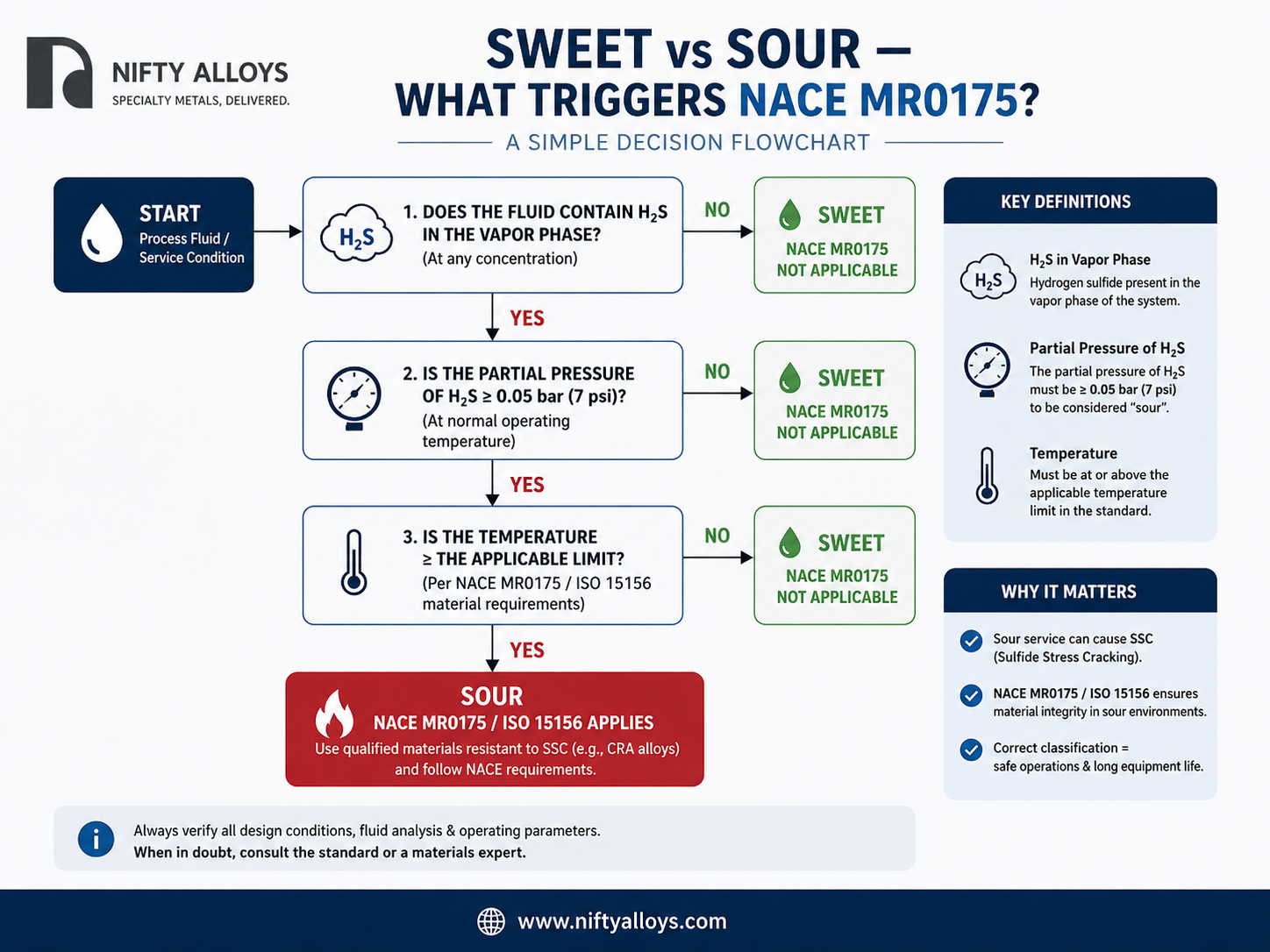
Sweet service contains no H2S above threshold levels standard materials like ASTM A105 or A106 are acceptable without NACE MR0175 compliance. Sour service exceeds those thresholds H2S partial pressure, in-situ pH, temperature, and chloride content all determine whether NACE MR0175 requirements apply. A common field rule: H2S partial pressure above 0.0003 MPa (0.05 psia) with pH below 3.5 is sour but always confirm against the governing project specification.
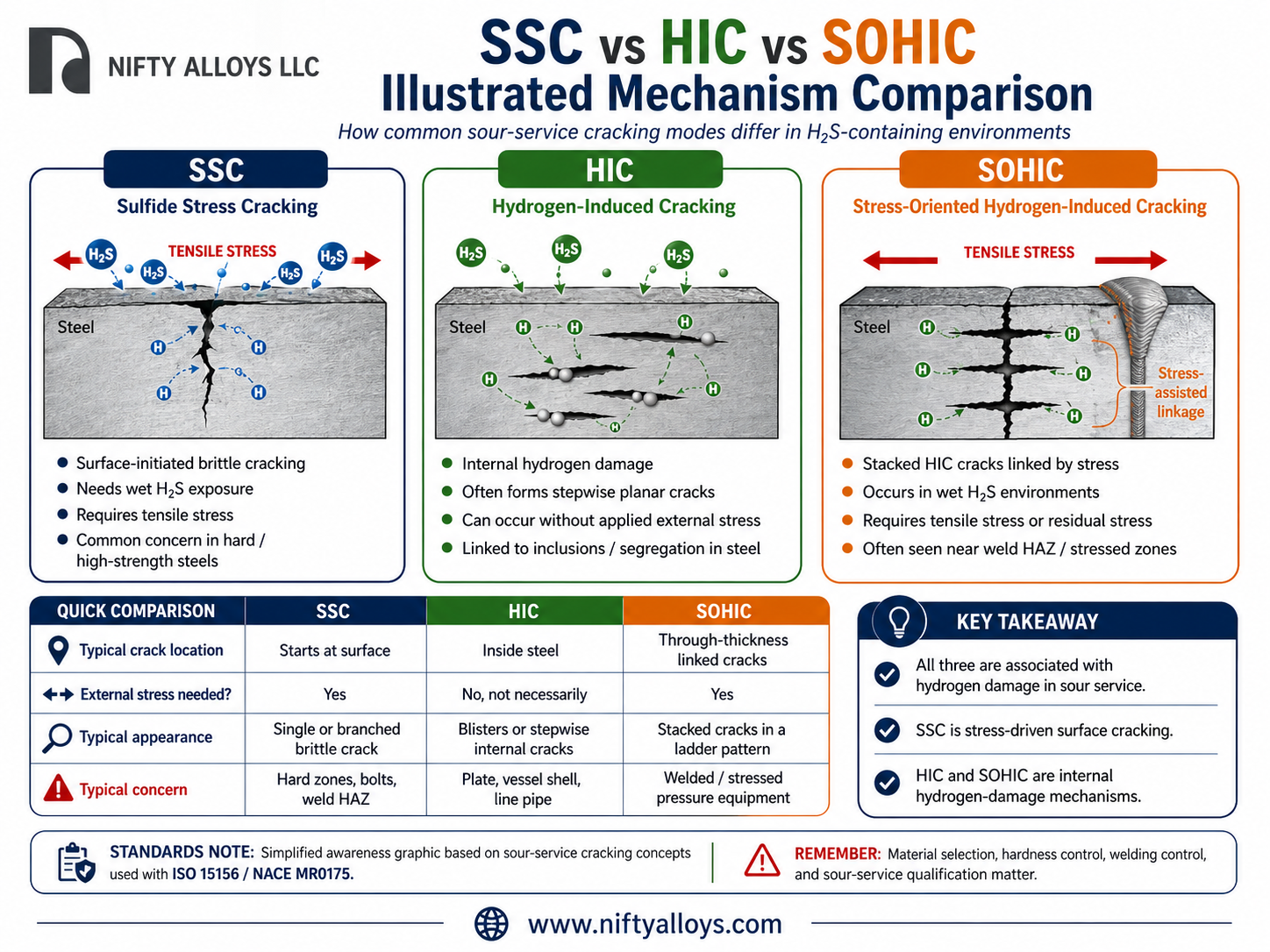
Three Failure Mechanisms NACE MR0175 Prevents
Sulfide Stress Cracking (SSC)
The most common H2S failure mode. Hydrogen enters the metal lattice under tensile stress causing brittle fracture. NACE MR0175 controls SSC through hardness limits — maximum 22 HRC (248 HBW) for carbon and low-alloy steels, applying to base metal, weld metal, and heat-affected zone.
Hydrogen Induced Cracking (HIC)
Stress-independent — hydrogen accumulates at internal inclusions, causing blistering in plate and sour service pipe. Controlled through steel cleanliness and mandatory HIC testing for plate and seam-welded pipe.
Stress Oriented Hydrogen Induced Cracking (SOHIC)
HIC blisters link stepwise under stress in weld HAZs. Requires careful PWHT and welding procedure validation.
NACE MR0175 Compliant Materials
The table below covers the most commonly specified sour service materials, their ISO 15156 part, SSC resistance, and key NACE MR0175 requirements. Always verify against the applicable standard part and Annex A tables for your actual operating conditions.
Material / Grade | UNS | ISO 15156 Part | SSC Resistance | Key Requirement |
| Carbon steel (low alloy) | — | Part 2 | Acceptable — limits | Max 22 HRC / 248 HBW. PWHT on welds. HIC test for plate/seam pipe. |
| 316L Stainless Steel | S31603 | Part 3 | Limited | Low H2S partial pressure only. Not for aggressive sour service. |
| Duplex SS 2205 | S32205 | Part 3 | Good — limits | Max 36 HRC. Temperature & H2S limits per Annex A tables. |
| Super Duplex SS 2507 | S32750 | Part 3 | Good — limits | Stricter limits than 2205. Confirm operating conditions vs Annex A. |
| Alloy 825 (Incoloy 825) | N08825 | Part 3 | Excellent | Cost-effective CRA. Widely used in GCC sour pipelines. |
| Alloy 625 (Inconel 625) | N06625 | Part 3 | Excellent | High-performance CRA for aggressive sour service and downhole. |
| Monel K500 | N05500 | Part 3 | Excellent | Age-hardened (H condition). Standard for downhole shafts & fasteners. |
How to Specify NACE MR0175 in a Purchase Order
A properly specified sour service PO must include:
- Standard reference: 'NACE MR0175 / ISO 15156' — state both designations and the applicable part.
- Environmental conditions: H2S partial pressure, pH, chloride content, and max temperature — required for CRA grade confirmation against ISO 15156-3 Annex A.
- Hardness limits: maximum HRC, HBW, or HV10 — applies to base metal, weld metal, and HAZ.
- PWHT requirement: state whether required and to which specification.
- Certificate type: EN 10204 3.1 MTC as minimum. EN 10204 3.2 with independent third-party verification required for critical offshore, subsea, and major operator project specifications.
For guidance on certificate types, see our EN 10204 3.1 vs 3.2 certification guide.
Source NACE MR0175 Certified Materials from Dubai
Nifty Alloys LLC is a Dubai-based specialist metals stockist supplying NACE MR0175 / ISO 15156 compliant materials to oil and gas, petrochemical, and marine projects across the UAE, GCC, and global markets.
We supply Monel K500, Alloy 625, Alloy 825, duplex UNS S32205 and super duplex UNS S32750, 316L stainless, and low-alloy carbon steels — with EN 10204 3.1 MTCs confirming NACE compliance as standard. EN 10204 3.2 with independent third-party certification available for critical offshore and major operator project requirements. All certificates reviewed by our in-house QA/QC team before dispatch.
Frequently Asked Questions
What are the NACE MR0175 hardness requirements for carbon steel?
Maximum 22 HRC (248 HBW / 250 HV10) for base metal, weld metal, and HAZ. PWHT is typically required on weld joints to bring HAZ hardness within this limit.
Which nickel alloys comply with NACE MR0175?
Alloy 625, Alloy 825, and Monel K500 are all accepted under ISO 15156-3. Alloy 625 and 825 are used for aggressive sour CRA applications; Monel K500 (age-hardened) is standard for downhole components in UAE and GCC wells.
Can duplex stainless steel be used in sour service?
UNS S32205 and S32750 are acceptable within defined H2S partial pressure, temperature, and pH limits under ISO 15156-3 Annex A. Confirm your operating conditions before specifying duplex for sour service pipe or fittings.
Is NACE MR0175 the same as ISO 15156?
Yes — technically identical. ISO 15156 is the international adoption of NACE MR0175. The NACE MR0175 latest edition is harmonised with ISO 15156:2015. Project specifications typically reference both to avoid ambiguity.
 Let's Talk
EN 10204 defines inspection document types for metallic products. Type 2.2 is a manufacturer's test ...
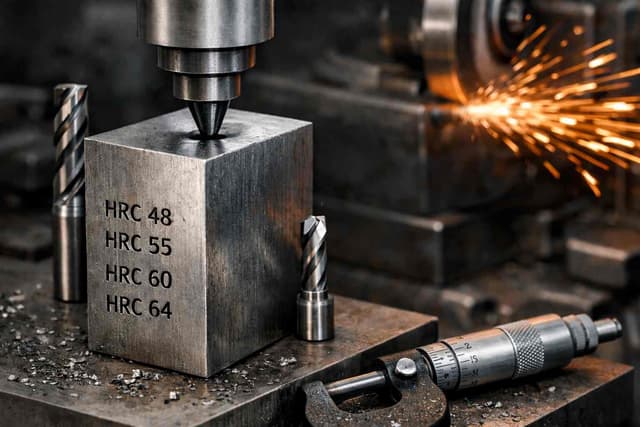
Learn how to choose the right tool steel hardness (HRC) for your application. Compare HRC ranges for...
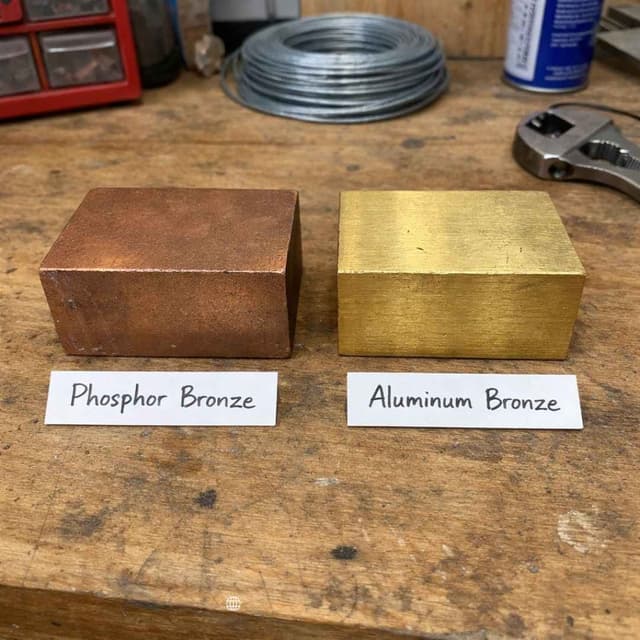
Phosphor bronze vs aluminum bronze: Aluminum bronze is stronger, more corrosion-resistant, and ideal...
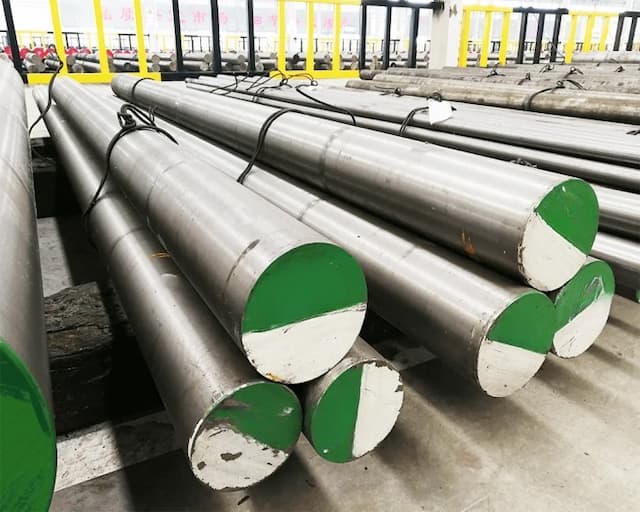
D2, A2, O1, H13, and P20 tool steels differ in wear resistance, toughness, and heat resistance. D2 o...




Elevate Your Projects with
with
 Our Superior Steels
