

Spring Steel: Properties, Grades, Composition & Industrial Uses Guide
This technical guide examines the composition, grades, properties, and industrial applications of spring steel. Designed for engineers and procurement specialists, the blog covers metallurgical composition, industry standards, forms of supply, and the critical role of heat treatment. Learn how to select appropriate spring steel grades for optimum performance and reliability in demanding operating environments.
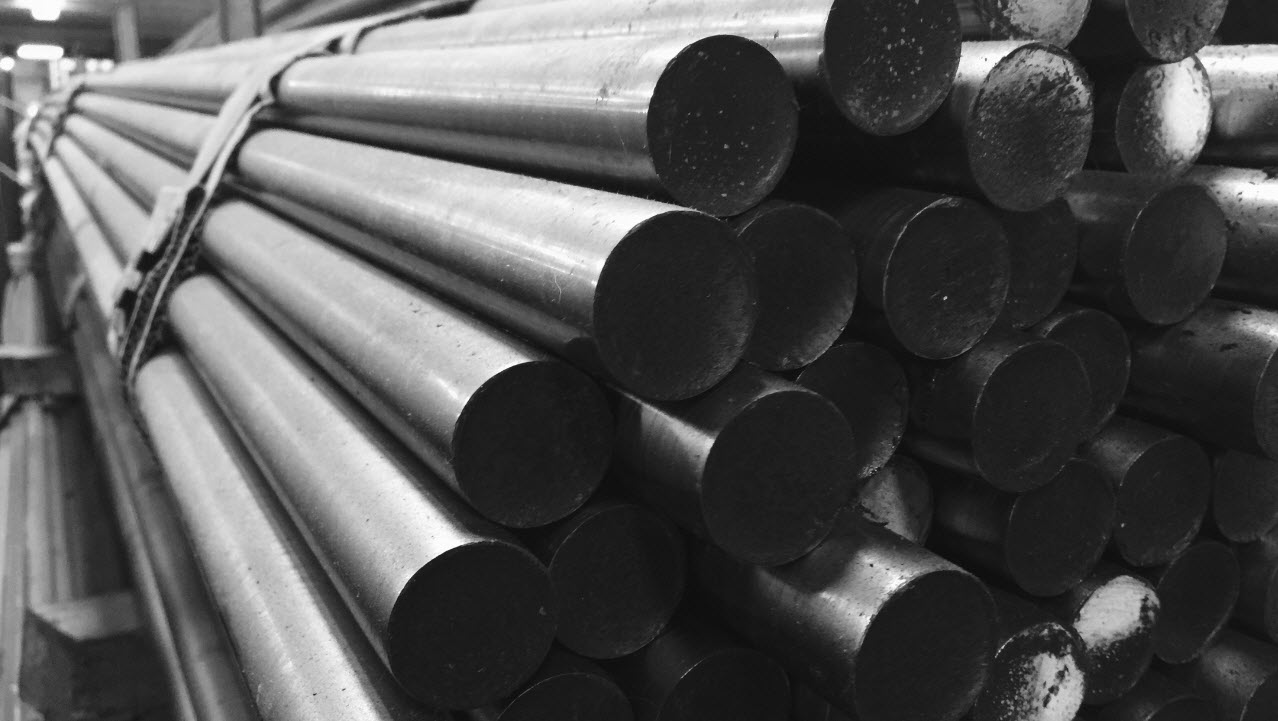
Spring steel is a fundamental material in modern engineering, prized for its unique combination of strength, resilience, and durability. For procurement professionals and industrial engineers, understanding the specific properties and grades of this alloy is critical for selecting the right material for high-performance applications. This guide provides a detailed technical overview of spring steel, from its metallurgical composition and heat treatment processes to its most common industrial uses. We will examine the key characteristics that set spring steel apart and explain how to source high-quality materials for your projects.
The industrial significance of spring steel lies in its ability to deform under load and return to its original shape without permanent distortion. This property, known as high elasticity, makes it indispensable for components that must store and release mechanical energy. You will find spring steel in automotive suspension systems, industrial machinery, and precision instruments. The performance of this material is defined by its spring steel composition, which is carefully controlled to achieve specific spring steel properties. Whether you require spring steel sheet for flat springs or spring steel rod for coil manufacturing, selecting the correct spring steel grades is essential for operational reliability and safety.
What is Spring Steel? Composition and Metallurgy
Spring steel is a category of low-alloy, medium-to-high carbon steels that possess a very high yield strength. This allows the material to return to its original form after significant bending or twisting. The unique spring steel composition is what differentiates it from standard carbon steels. Specific alloying elements are added to enhance its mechanical properties.
The primary elements in spring steel material include carbon, silicon, and manganese. Each contributes to its final performance characteristics.
- Carbon (C): As the principal hardening element, carbon content (typically 0.5% to 1.0%) provides the necessary strength and hardness.
- Silicon (Si): Often added in concentrations up to 2%, silicon increases the steel's elastic limit and resistance to tempering.
- Manganese (Mn): Manganese improves hardenability and tensile strength, allowing for more consistent properties after heat treatment.
- Chromium (Cr) & Vanadium (V): These elements are added to certain grades to improve fatigue resistance, toughness, and hardenability, making the steel suitable for highly dynamic applications.
Below is a table illustrating a typical spring steel composition.
| Element | Percentage (%) | Contribution to Properties |
| Carbon (C) | 0.50% - 1.00% | Primary source of hardness and strength. |
| Silicon (Si) | 0.15% - 2.00% | Increases yield strength and elasticity. |
| Manganese (Mn) | 0.50% - 1.00% | Improves hardenability and wear resistance. |
| Chromium (Cr) | 0.30% - 1.20% | Enhances corrosion resistance, hardness, and toughness. |
| Vanadium (V) | 0.10% - 0.30% | Refines grain structure, increasing fatigue strength. |
Compared to regular carbon steel, the addition of these alloying elements gives spring steel a superior ability to withstand repeated stress cycles without failure.
Common Spring Steel Grades and Standards
Selecting the appropriate grade is a critical decision in any engineering project. Different spring steel grades are formulated to meet specific performance requirements, with standards varying by region and application. At Nifty Alloys, we supply a range of globally recognized grades to ensure your components meet exact specifications.
Key Spring Steel Grades
- EN45 / EN45A: A silicon-manganese spring steel known for its toughness and durability. It is widely used for leaf springs and other vehicle suspension components.
- EN47: A chromium-vanadium spring steel offering excellent wear resistance and a high elastic limit, making it suitable for high-stress springs and engine valve springs.
- SUP9 / SUP9A: A Japanese standard (JIS) equivalent to AISI 5160, this chrome-manganese grade is valued for its toughness and is commonly used for automotive leaf and coil springs.
- SUP10: A chrome-vanadium steel under JIS, known for its superior fatigue strength and heat resistance.
- 65Mn: A cost-effective manganese spring steel with good strength and hardness, often used for manufacturing saw blades, clutch plates, and agricultural machinery parts.
- SAE 5160: A popular chromium spring steel with excellent toughness and fatigue resistance, making it a go-to choice for heavy-duty vehicle suspension.
- AISI 9260: A silicon-manganese steel that provides outstanding shock resistance and high elasticity.
The following table summarizes the mechanical properties and equivalent standards for some common grades.
| Grade | Hardness (HRC) | Tensile Strength (MPa) | Equivalent Standards |
| EN45 | 45-52 HRC | 1500-1700 MPa | AISI 9255, DIN 55Si7 |
| EN47 | 45-53 HRC | 1650-1850 MPa | AISI 6150, DIN 50CrV4 |
| SUP9 | 44-51 HRC | 1450-1650 MPa | AISI 5160, DIN 60CrMn5 |
| 65Mn | 44-50 HRC | 1400-1600 MPa | AISI 1065 (Modified) |
Essential Spring Steel Properties and Characteristics
The performance of spring steel is defined by a unique set of mechanical properties. Understanding these characteristics allows you to select a material that guarantees longevity and reliability in your application.
| Property | Advantage for Your Application |
| High Yield Strength | This is the most critical property of spring steel. It refers to the maximum stress the material can endure before it begins to deform permanently. A high yield strength ensures the spring returns to its original dimensions after the load is removed, which is fundamental to its function. |
| Excellent Fatigue Resistance | Springs are often subjected to millions of load cycles. Fatigue resistance is the ability of the spring steel material to withstand this repeated stress without fracturing. Alloying elements like chromium and vanadium significantly improve this property. |
| Elastic Recovery | Also known as resilience, this is the capacity of the material to absorb energy when deformed elastically and release that energy upon unloading. This makes spring steel ideal for energy storage applications, such as in clockwork mechanisms or vehicle suspensions. |
| Superior Heat Treatment Response | Spring steel is typically supplied in an annealed, or softened, state to facilitate forming. It achieves its final properties through a precise heat treatment process involving hardening and tempering. This process is what unlocks its signature elasticity and strength. |
| Durability and Wear Resistance | The high hardness achieved after heat treatment gives spring steel excellent resistance to abrasion and wear. This durability ensures a long service life, even in demanding industrial environments where components face friction and impact. |
Forms of Spring Steel: Sheet and Rod
Spring steel is available in various forms to suit different manufacturing processes and end uses. The two most common forms are sheet and rod, each with distinct applications.
Spring Steel Sheet
- Spring steel sheet is a flat-rolled product used to manufacture components that require resilience in a planar form. After being cut or stamped into the desired shape, parts made from spring steel sheet are heat-treated to achieve their spring-like properties.
Common Applications for Spring Steel Sheet:
- Flat Springs: Used in switches, relays, and other electrical components.
- Blades: Found in industrial saws, agricultural cutters, and scraper blades.
- Clips and Fasteners: Retaining clips, washers, and clamps that require constant tension.
- Diaphragms: Used in pumps and pressure regulators.
Spring Steel Rod
- Spring steel rod is typically supplied in coils or straight lengths. It serves as the raw material for components that require torsional or compressive strength. The rod is formed into its final shape before undergoing heat treatment.
Common Applications for Spring Steel Rod:
- Coil Springs: The most recognized application, used in vehicle suspension and industrial machinery.
- Torsion Bars: Used in vehicle suspension systems to resist twisting forces.
- Stabilizer Bars (Anti-Roll Bars): Connect opposite wheels to reduce body roll during cornering.
- Wire Forms: Custom-shaped springs and clips used in a wide range of products.
The Critical Role of the Heat Treatment Process
The exceptional properties of spring steel are not inherent to the alloy itself; they are developed through a carefully controlled heat treatment process. This multi-stage procedure is essential for transforming the ductile, workable material into a hard and resilient final product.
- Annealing: First, the steel is annealed by heating it to a specific temperature and then cooling it slowly. This process softens the steel, relieves internal stresses, and makes it easy to cut, stamp, or form.
- Hardening (Quenching): After forming, the component is heated to a high temperature (typically around 830-860°C) and then rapidly cooled, or "quenched," in oil or water. This traps the carbon in the steel's crystalline structure, creating a very hard but brittle state known as martensite.
- Tempering: The final step is tempering. The hardened part is reheated to a lower temperature (usually between 350°C and 550°C) and held for a specific duration. This process reduces brittleness and introduces toughness and elasticity, developing the final desired balance of hardness and flexibility.
Proper execution of the heat treatment process is paramount. Incorrect temperatures or cooling rates can result in a component that is too brittle, too soft, or prone to premature failure.
Applications of Spring Steel Across Industries
The unique combination of high yield strength, fatigue resistance, and durability makes spring steel a material of choice for critical components across numerous sectors.
Automotive Industry
The automotive sector is the largest consumer of spring steel. It is used for:
- Suspension Systems: Leaf springs, coil springs, and torsion bars that absorb road shocks and support the vehicle's weight.
- Clutch and Brake Components: Diaphragm springs in clutches and return springs in brake assemblies.
- Engine Parts: Valve springs that must operate reliably for millions of cycles.
Industrial Machinery
In industrial settings, spring steel provides reliability for parts subjected to constant motion and stress.
- Saw Blades: Both band saw and circular saw blades are made from spring steel sheet for flexibility and edge retention.
- Valves and Seals: Springs ensure proper sealing and operation in hydraulic and pneumatic systems.
- Fasteners and Washers: Belleville washers and other spring fasteners provide consistent clamping force.
Construction and Aerospace
While less common, spring steel finds niche applications where high strength and light weight are necessary. This includes landing gear components in aircraft and specialized structural fasteners in construction. The material's reliability and safety factor are critical in these applications.
Spring Steel vs. Carbon Steel: A Direct Comparison
It is important to distinguish spring steel from general-purpose carbon steel. While both are iron-based alloys, their properties and ideal applications are vastly different. The key distinction lies in spring steel's ability to deform elastically under high loads.
| Property | Spring Steel | Carbon Steel |
| Elasticity | Very High | Moderate |
| Fatigue Strength | Excellent | Average |
| Hardness (Tempered) | 45–55 HRC | 25–35 HRC |
| Yield Strength | Very High (1200+ MPa) | Low to Medium (250-550 MPa) |
| Primary Applications | Dynamic loads (springs, blades) | Static loads (structural beams, plates) |
Choosing spring steel over carbon steel is necessary when your application involves repeated flexing, vibration, or impact loading where component failure is not an option.
Sourcing and Availability of Spring Steel
For engineers and procurement managers, partnering with a reliable supplier is as important as selecting the right material grade. A trusted supplier ensures you receive certified materials that comply with international standards, backed by expert technical support.
Nifty Alloys LLC is a leading supplier of spring steel in the UAE, exporting high-quality products worldwide. We stock a comprehensive range of spring steel grades, including EN45 and EN47, in both spring steel sheet and spring steel rod forms. Our commitment is to provide materials that meet your precise engineering requirements, complete with mill test certificates and full traceability. To learn more about our product offerings, please visit our page for Spring Steel.
We also supply a wide variety of other specialty metals to support your projects, including: 1.2311 Tool Steel. Our team is ready to provide technical guidance and ensure you receive the materials you need, on time and to specification.
Nifty Alloys stocks certified spring steel in UAE — AISI 6150 and 60WCrV8 in round bar and flat bar. EN 10204 3.1 MTC supplied as standard. Fast delivery across Dubai, Abu Dhabi, and GCC. Enquire now.
 Let's Talk
A complete nickel alloy bar order states the UNS number, the ASTM or ASME product standard and grade...
Alloy 825 is a nickel-iron-chromium alloy with 2.5–3.5% molybdenum plus copper, suited to sulfuric a...
Carbon equivalent (Ceq) is calculated using the IIW formula — CEV = C + Mn/6 + (Cr+Mo+V)/5 + (Ni+Cu)...
metal magnetism What Is a Ferrous Metal? Ferrous vs Non-Ferrous Explained Quick Answer ...




Elevate Your Projects with
with
 Our Superior Steels
