

What Is a Ferrous Metal? Ferrous vs Non-Ferrous
metal magnetism What Is a Ferrous Metal? Ferrous vs Non-Ferrous Explained Quick Answer A ferrous metal is any metal or alloy that contains iron as its primary component — carbon steel, alloy steel, and cast iron are all ferrous. A non-ferrous metal contains little or no iron — aluminum, copper, titanium, and their alloys (bronze, brass, beryllium copper) are all non-ferrous. The distinction matters practically because it predicts magnetism, rust behavior, weight, and often cost: most ferrous metals are magnetic and can rust, while most non-ferrous metals are non-magnetic and cannot rust (though they can still corrode in other ways).
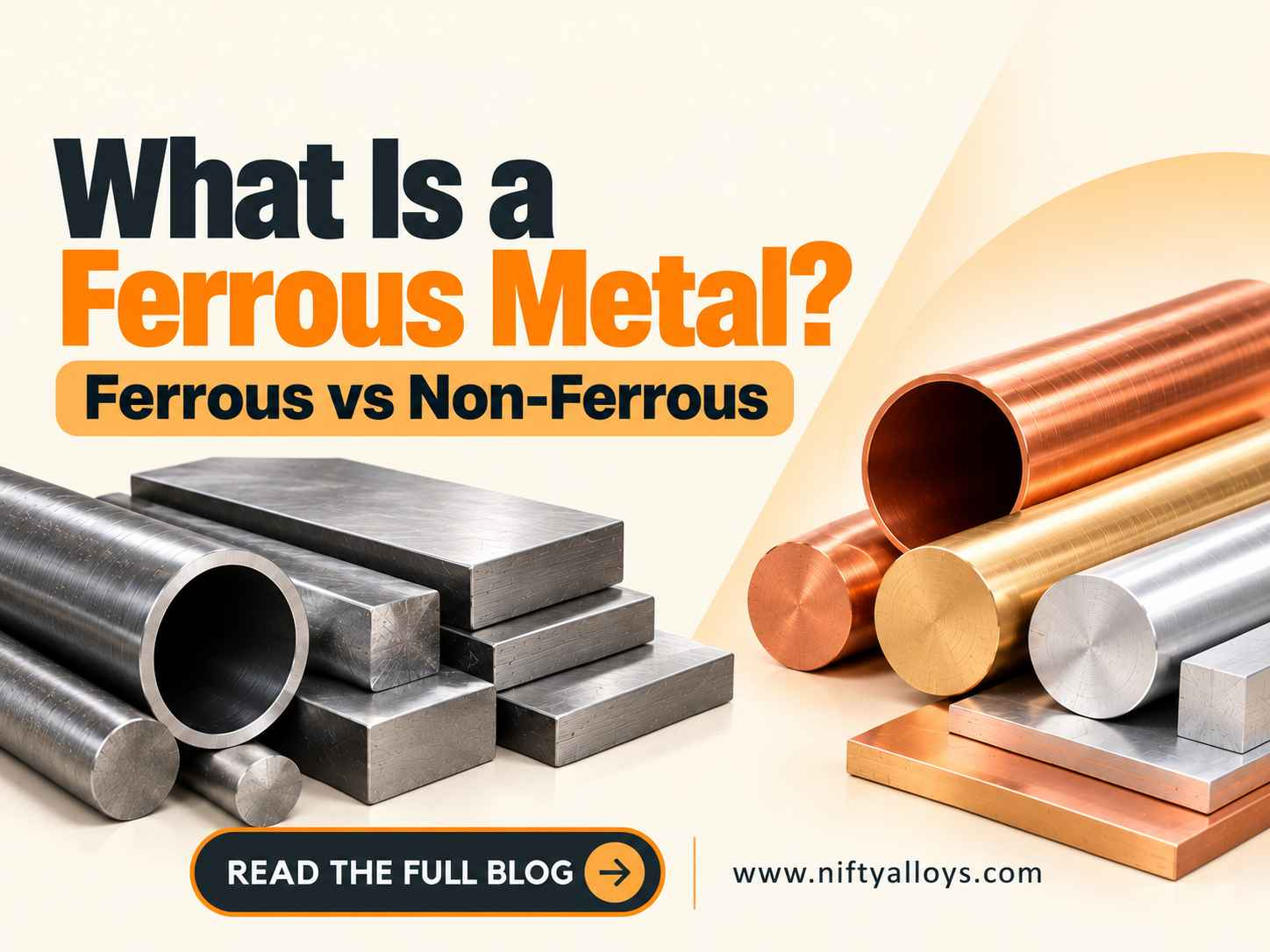
"Ferrous" comes from the Latin ferrum, meaning iron — the same root as iron's chemical symbol, Fe. It's one of the oldest and most basic classifications in metallurgy, but it's genuinely useful: knowing whether a metal is ferrous or non-ferrous immediately tells you several practical things about how it will behave, without needing to know the specific grade.
Ferrous Metals: Definition and Examples
Ferrous metals are alloys built primarily around iron. This category includes:
- Carbon steel and alloy steel — iron alloyed with carbon and, in alloy steels, additional elements like chromium, molybdenum, and manganese
- Stainless steel — still iron-based, but with enough chromium (10.5%+) added to resist rusting, which is why stainless steel is ferrous but corrosion-resistant at the same time
- Cast iron — a higher-carbon iron alloy, typically less ductile than steel but with good wear resistance and castability
- Tool steels — highly alloyed steels engineered for hardness and wear resistance in cutting and forming applications
Non-Ferrous Metals: Definition and Examples
Non-ferrous metals contain little to no iron. This category includes:
Pure metals like aluminum, copper, titanium, nickel, and zinc, and copper-based alloys such as bronze, brass, and beryllium copper. Precious metals — gold, silver, platinum — are also non-ferrous. Notably, some nickel-based "superalloys" like Inconel and Hastelloy are non-ferrous despite being grouped conceptually alongside specialty steels in many industrial catalogs, since their base element is nickel, not iron.
Ferrous vs Non-Ferrous: Key Practical Differences
| Property | Ferrous Metals | Non-Ferrous Metals |
| Base element | Iron | No iron (or trace amounts) |
| Magnetism | Usually magnetic (with exceptions, e.g. austenitic stainless) | Usually non-magnetic |
| Rust behavior | Can rust unless alloyed for resistance (e.g. stainless) | Cannot rust (no iron to oxidize into rust) |
| Typical weight | Generally denser / heavier | Often lighter (aluminum, titanium) |
| Typical cost | Generally lower cost | Often higher cost |
| Common examples | Carbon steel, alloy steel, cast iron, stainless steel | Aluminum, copper, titanium, bronze, brass |
Note
Magnetism is a useful field test, not a reliable lab test. Austenitic stainless steels (304, 316) are ferrous but essentially non-magnetic in their annealed state, while cold working can induce some magnetism. A weak or absent magnetic response does not on its own confirm a non-ferrous metal or a specific stainless grade — chemical and mechanical testing on the mill test certificate is what actually confirms composition.
Why the Distinction Matters in Procurement
Recycling and scrap sorting: ferrous and non-ferrous scrap are handled through entirely different recycling streams and pricing, since magnetic separation is the first sorting step at most scrap facilities.
Corrosion strategy: specifying a ferrous metal in a corrosive environment usually means specifying a corrosion-resistant grade (like stainless) or adding a protective coating; a non-ferrous metal may not need either.
Weight-sensitive design: aerospace, marine, and transport applications often favor non-ferrous metals like aluminum and titanium specifically for their lower density relative to strength.
Electrical and thermal applications: most non-ferrous metals (copper, aluminum) offer far higher conductivity than ferrous metals, which is why ferrous metals are rarely chosen for conductors.
FAQ
Is stainless steel ferrous or non-ferrous?
Ferrous — stainless steel is iron-based, with chromium added specifically to resist rusting. The corrosion resistance can make it feel non-ferrous by behavior, but by composition it firmly belongs in the ferrous category.
Are all magnetic metals ferrous?
Not exactly. Most ferrous metals are magnetic, and this is a genuinely useful rule of thumb, but there are exceptions on both sides: austenitic stainless steels are ferrous yet largely non-magnetic, while a few non-ferrous metals like nickel and cobalt are themselves magnetic.
Why are non-ferrous metals generally more expensive?
Non-ferrous ores are typically less abundant and more energy-intensive to extract and refine than iron ore, and several non-ferrous metals (nickel, titanium, copper) carry additional processing costs, which is reflected in their higher raw material cost compared to carbon steel.
Is titanium a ferrous or non-ferrous metal?
Non-ferrous. Titanium contains no iron and is prized specifically for combining non-ferrous benefits — light weight, non-magnetic behavior, and excellent corrosion resistance — with strength approaching that of many steels.
Certified Ferrous and Non-Ferrous Alloys
Nifty Alloys LLC supplies both ferrous metals (carbon steel, alloy steel, stainless steel, tool steel) and non-ferrous metals (aluminum, nickel alloys, titanium, bronze alloys), certified to EN 10204 3.1, to buyers across the UAE, GCC, and export markets.
Contact Nifty Alloys for material availability, certified supply, or a formal quotation referencing your project's grade, form, and certification requirements.
 Let's Talk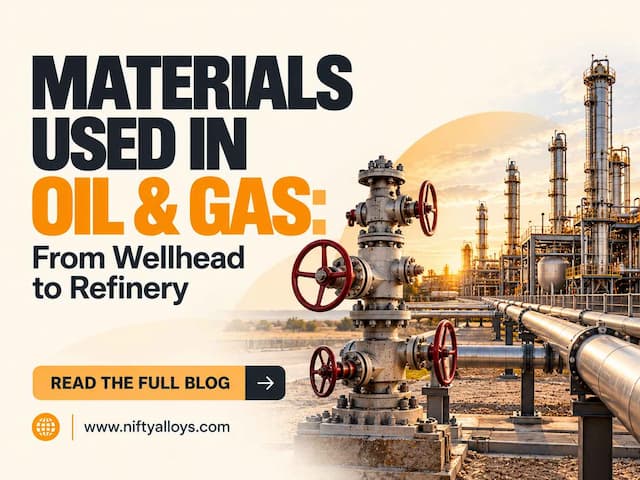
Oil and gas relies mainly on carbon and low-alloy steels, upgraded to corrosion-resistant alloys whe...

Super duplex is used in firewater and seawater piping because its PREN of 40 or more resists pitting...
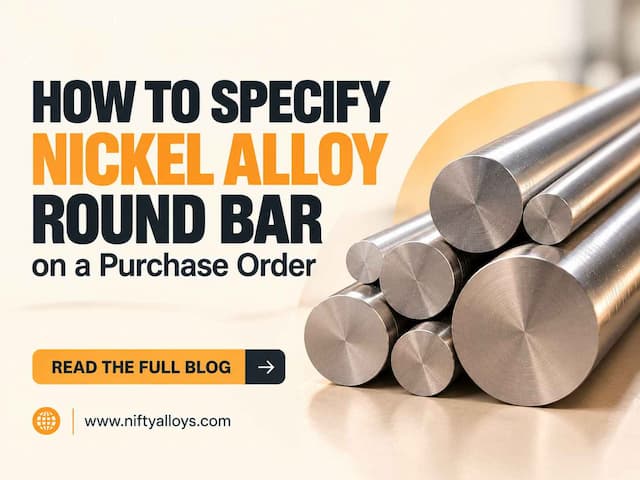
A complete nickel alloy bar order states the UNS number, the ASTM or ASME product standard and grade...
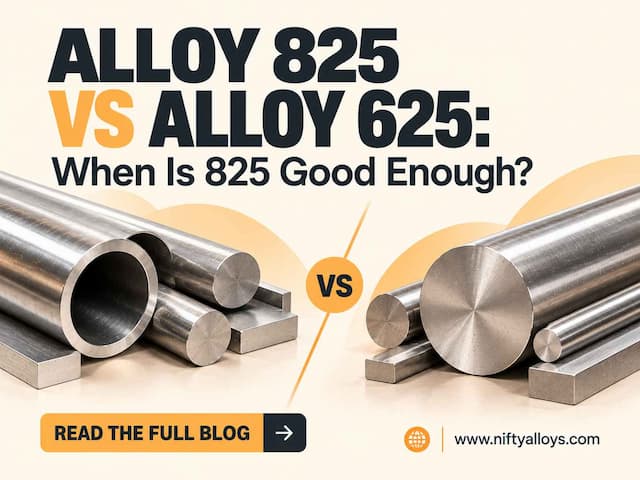
Alloy 825 is a nickel-iron-chromium alloy with 2.5–3.5% molybdenum plus copper, suited to sulfuric a...




Elevate Your Projects with
with
 Our Superior Steels
